

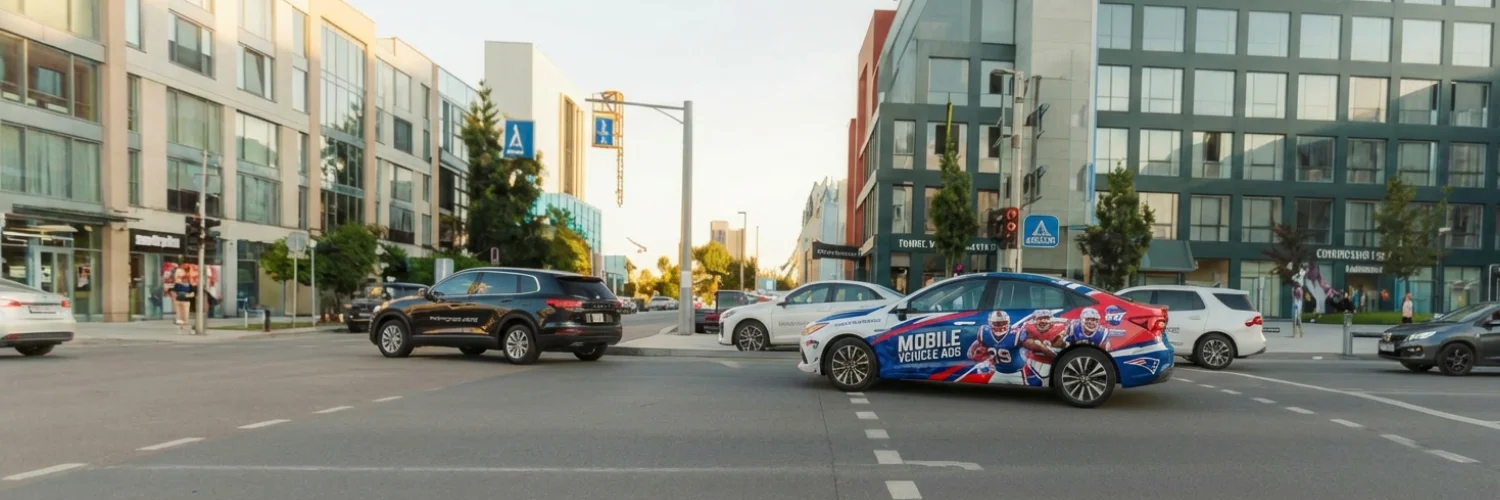
Is outdoor advertising right for your business? The answer depends on understanding both the powerful advantages and real limitations of OOH campaigns before you invest. Whether you’re evaluating traditional billboard placements for brand awareness, considering transit advertising for local reach, or exploring mobile vehicle campaigns that follow your audience throughout their day, the right outdoor strategy balances visibility with cost-effectiveness and measurable results.
From static billboards to mobile vehicle advertising, every OOH format offers its own blend of reach, flexibility, and measurement potential. Mobile options, including Carvertise’s GPS-verified campaigns with real-time analytics, demonstrate how dynamic placements can follow audience patterns rather than relying on fixed locations.
By comparing these strengths against traditional formats and evaluating ROI across each approach, advertisers can build a strategy that maximizes visibility without overspending.
Understanding Today’s Outdoor Advertising Options
Outdoor advertising spans multiple formats, each with distinct advantages and cost structures. From $250 rural billboards to $100,000 Times Square spectaculars, understanding format differences helps businesses choose the right mix for their objectives and budget.
Traditional Billboard Formats
Static Billboards: Typically $1,000-$7,000 monthly, consistent 24/7 presence, ideal for long-term branding
Digital Billboards: Roughly $1,200-$15,000 monthly, dynamic content capabilities, real-time updates possible
Highway Placements: Premium pricing, maximum daily impressions, broad demographic reach
Local Arterials: Cost-effective options, targeted geographic coverage, community-focused visibility
Mobile and Alternative Formats
Vehicle Wrap Advertising: 30,000-70,000 daily impressions, an average $0.48 CPM, follows audience movement
Transit Advertising: Bus wraps, subway posters, airport displays, captive audience exposure
Street Furniture: Bus benches, kiosks, bike racks, pedestrian-level engagement
Digital Out-of-Home: Interactive displays, programmatic buying, behavior-triggered content
Why Outdoor Advertising Delivers Unique Marketing Value
Despite digital saturation, outdoor advertising provides irreplaceable benefits that online channels cannot replicate. Research from the Out of Home Advertising Association of America shows U.S. OOH revenue hit $9.1 billion in 2024, marking 4.5% growth and the industry’s continued resilience in an increasingly digital marketing landscape.
Reach and Visibility Advantages
✓ 24/7 Exposure: Unlike digital ads, billboards work continuously without additional costs
✓ Massive Daily Reach: Well-placed billboards reach up to 100,000 people daily
✓ Geographic Targeting: Perfect location-based targeting for local businesses and events
✓ Unavoidable Visibility: Cannot be blocked, skipped, or ignored like digital ads
Brand Building Benefits
✓ 55% Brand Recall: Significantly higher than 21% for digital banner ads
✓ Trust and Credibility: Physical presence builds consumer confidence in brand legitimacy
✓ Viral Potential: Creative outdoor campaigns generate social media sharing and earned media
Performance and ROI Advantages
✓ $7.58 Marginal ROI: Recent studies show strong returns on outdoor advertising investment
✓ Low CPM: $2-$7 cost per thousand impressions, among most affordable mass-reach options
Strategic Marketing Benefits
✓ Cross-Channel Amplification: Can boost other marketing channels’ effectiveness by 90%
✓ Local Market Domination: Excellent for businesses targeting specific geographic areas
✓ Flexible Budgets: Options from $250/month rural to premium urban placements
✓ No Ad Fatigue: Unlike digital ads, outdoor doesn’t suffer from banner blindness
Vehicle wrap advertising through Carvertise amplifies these advantages by adding movement and geographic precision, reaching audiences where they live, work, and shop rather than hoping they drive past fixed locations.
Challenges and Limitations to Consider Before Investing
While outdoor advertising offers unique advantages, understanding its limitations ensures realistic expectations and strategic planning. These challenges vary by format and can be mitigated through smart campaign design.
Targeting and Measurement Challenges
✗ Limited Demographic Targeting: Broad exposure rather than precise audience selection
✗ Attribution Difficulties: Challenging to directly track conversions compared to digital channels
✗ Less Interactive: Generally passive compared to digital advertising engagement options
Cost and Budget Considerations
✗ High Upfront Investment: Premium locations require substantial monthly commitments
✗ Production Expenses: Usually an additional 15-25% for design, printing, installation beyond media costs
✗ Minimum Durations: Most campaigns require 4-week minimums, longer for effectiveness
✗ Seasonal Rate Fluctuations: Q4 and major events command premium pricing
Creative and Flexibility Limitations
✗ Brief Exposure Windows: Only 3-6 seconds for message comprehension at highway speeds
✗ Static Content: Changes require reprinting and reinstallation for traditional formats
✗ Weather Dependencies: Outdoor placements susceptible to weather and environmental damage
✗ Regulatory Restrictions: Local zoning, content guidelines, permit requirements vary by market
Market and Competition Factors
✗ Visual Clutter: High-advertising areas reduce individual ad impact and attention
✗ Limited Premium Inventory: Best locations have waitlists and require advance booking
✗ Geographic Limitations: Only reaches audiences within visual proximity to placement
✗ Vendor Relationships: Major markets dominated by large companies with limited negotiation
Studies on outdoor advertising limitations confirm that successful campaigns require strategic planning to overcome these inherent challenges while maximizing format strengths. Creative approaches, such as mobile billboard campaigns, can help mitigate some of these limitations.
Calculating Return on Investment Across Outdoor Formats
Calculating ROI for outdoor advertising begins with understanding that performance varies by market, audience behavior, and campaign goals.
Different OOH formats contribute to ROI in different ways. Static billboards, transit placements, street furniture, and mobile vehicle campaigns each offer their own balance of reach, frequency, and flexibility. What matters most is choosing formats that match how and where the target audience moves, whether that means consistent visibility along commuter routes or dynamic coverage across multiple neighborhoods.
OOH also produces value beyond immediate actions. Outdoor advertising is primarily a brand-building medium, improving familiarity, trust, and long-term consideration. While attribution windows can capture quick responses like website visits, many of the most meaningful effects appear gradually through stronger recall and preference. ROI assessment should combine short-term performance metrics with these longer-term brand outcomes.
The strongest returns come from treating OOH as a measurable and adjustable channel. Clear calls to action, unique URLs or QR codes, geofencing, and third-party verification make it possible to understand what is working. When these insights inform decisions about placement, creative, and duration, outdoor campaigns become investments that improve over time rather than fixed costs.
How Mobile Vehicle Advertising Overcomes Traditional Outdoor Limitations
Mobile vehicle advertising addresses many traditional outdoor advertising limitations while preserving core benefits. Carvertise’s verified network delivers measurable results with unprecedented flexibility and geographic precision.
Enhanced Targeting and Measurement
- GPS Verification: Real-time tracking shows exactly where vehicles traveled and for how long
- Flexible Deployment: Concentrate vehicles during events or redirect based on performance
- Attribution Analytics: StreetMetrics partnership provides independent validation and measurement
- Demographic Targeting: Deploy in neighborhoods matching specific income, age, or lifestyle profiles
Cost and Value Benefits
- Less Production Delays: Vehicle wraps install faster than billboard printing and posting
- Scalable Investment: Fleet sizes adjust to budget rather than fixed location costs
- Performance-Based Optimization: Redirect vehicles to higher-performing areas in real-time
Operational Flexibility
- Event-Driven Campaigns: SWARM deployments for concerts, festivals, sports events, product launches
- Geographic Precision: Target specific ZIP codes, business districts, or competitor locations
- Seasonal Adaptability: Adjust coverage areas based on customer behavior changes
- Multi-Market Deployment: Coordinate campaigns across multiple cities simultaneously
Mobile advertising through Carvertise’s platform provides many traditional outdoor advertising benefits while solving measurement, flexibility, and targeting challenges that limit static placements.
Strategic Guidelines for Outdoor Advertising Investment
Outdoor advertising works exceptionally well for certain business types and objectives while providing minimal value for others. Understanding which businesses benefit most helps determine whether outdoor investment aligns with your specific situation and marketing goals.
When Outdoor Advertising Makes Strategic Sense
Outdoor advertising works best for businesses with clear geographic markets and fixed locations such as retail, restaurants, healthcare, and local services. These brands benefit from consistent visibility along the routes their customers already travel. Products with broad appeal also perform well, since outdoor formats naturally reach wide demographic groups. OOH is especially effective for building brand awareness, making it a strong fit for companies focused on recognition rather than immediate conversions.
Optimal Campaign Situations
Launch campaigns and market-entry strategies gain momentum from outdoor media’s ability to generate rapid local awareness. Event promotion is another strong use case, allowing organizers to concentrate visibility in specific areas during peak attention windows.
Investment Requirements and Planning
Most outdoor campaigns need at least three months to build meaningful frequency. While creative quality heavily influences performance, tracking tools like QR codes and unique URLs help measure results. When traditional billboards are too costly or rigid, mobile vehicle advertising through Carvertise offers flexible targeting and GPS-verified exposure at lower minimums.
Choosing the Right Outdoor Approach
Outdoor advertising can be a cost-effective complement to digital channels, especially for businesses targeting local audiences or seeking broad brand lift. Whether you choose static billboards or mobile campaigns, the right strategy aligns placements with customer movement patterns and long-term brand goals.
Carvertise supports this approach with mobile innovation, real-time verification, and transparent reporting to help businesses match the right format to their objectives.
Frequently Asked Questions
How much does outdoor advertising cost for small businesses?
Small business outdoor advertising costs range from $250 monthly for rural billboards to $5,000 for urban placements. Mobile vehicle campaigns start even lower with flexible fleet sizes. Budget 15-25% additional for design and production. Many businesses begin with smaller local placements before expanding to premium locations.
How do outdoor advertising costs compare to online marketing channels?
Outdoor advertising typically delivers $2-$7 CPM compared to $3-$10 for most online channels. However, online advertising offers precise targeting and immediate measurement that outdoor cannot match. Cost analysis studies show outdoor excels for mass awareness while online performs better for direct response and niche targeting.
Can you measure ROI from outdoor advertising campaigns?
Yes, though measurement requires strategic planning. Use unique URLs, QR codes, promotional codes, and geofencing to track response. Brand awareness surveys measure recall and perception changes. GPS-verified mobile campaigns provide detailed location and exposure data for more precise attribution than traditional billboards.
Which outdoor advertising formats deliver the best results?
Results depend on objectives. Highway billboards maximize reach and awareness. Digital formats offer flexibility and dynamic content. Mobile vehicle advertising provides targeting precision and verified measurement. Airport placements reach affluent business travelers. Success correlates more with strategic planning and creative execution than specific formats.
How long should outdoor advertising campaigns run?
Minimum 4-week durations for meaningful exposure, though 3-6 month campaigns typically deliver optimal brand building and ROI. Longer campaigns benefit from bulk pricing discounts and sustained frequency. Event-driven campaigns may run shorter durations during peak audience concentration periods.
Is outdoor advertising effective for B2B companies?
B2B outdoor advertising works well for companies targeting decision-makers during commutes, at airports, or in business districts. Professional services, technology companies, and industrial suppliers often see strong results from strategic placements near corporate headquarters or along executive commute routes.
What types of businesses benefit most from outdoor advertising?
Retail stores, restaurants, entertainment venues, automotive dealers, healthcare providers, real estate firms, and local services typically see strong outdoor advertising results. Businesses with broad appeal, geographic focus, and high customer lifetime values generally achieve the best ROI from outdoor investments.
When should businesses avoid outdoor advertising?
Avoid outdoor advertising when targeting highly specific demographics, operating purely online without local presence, working with extremely limited budgets, or requiring immediate direct response measurement. Niche B2B services and businesses serving scattered geographic markets often find online advertising more cost-effective.
How do you choose between static and digital billboards?
Choose static billboards for consistent long-term messaging, budget constraints, and maximum share-of-voice in specific locations. Select digital formats when you need message flexibility, time-sensitive promotions, or dynamic content capabilities. Digital costs 30-50% more but offers creative advantages static cannot match.
Can outdoor advertising work for online-only businesses?
Online businesses can use outdoor advertising for brand awareness, driving website traffic, and mobile app downloads. Include clear web addresses, QR codes, or app store prompts. Focus on memorable branding rather than complex messaging. Many successful e-commerce and SaaS companies use outdoor to break through digital advertising saturation.
Should outdoor advertising replace online marketing efforts?
Never replace online marketing entirely. Outdoor advertising works best as part of integrated campaigns combining multiple touchpoints. Use outdoor for awareness and credibility while maintaining online advertising for targeting, retargeting, and conversion optimization. The most successful campaigns blend both approaches strategically.