

Festival season in Indio transforms a desert city into a destination hosting nearly 250,000 music fans over just three weeks. Finding visibility during peak events like Coachella and Stagecoach requires more than hoping your static billboard catches attention between Palm Springs and the polo grounds. When hundreds of thousands of visitors flood the Coachella Valley for concerts, brands need advertising that moves with the crowds, not waits for them to pass by.
From premium festival targeting to year-round local reach, smart billboard strategies combine traditional highway placements with mobile vehicle advertising that follows audiences through hotel districts, shopping areas, and entertainment zones. With GPS tracking, flexible deployment, and verified performance data, understanding Indio’s unique advertising landscape helps businesses maximize impact during festival peaks while maintaining visibility throughout the desert’s growing year-round economy.
Why Indio Represents Premium Out of Home Advertising Territory
The City of Festivals Creates Massive Advertising Opportunities
Indio’s transformation into the “City of Festivals” generates extraordinary economic impact extending far beyond the Empire Polo Club grounds. Recent economic studies show Coachella alone brings $254.4 million to the broader desert region annually, with $89.2 million in consumer spending flowing directly to Indio.
The festival economy creates unique advertising dynamics impossible to replicate elsewhere. During April, Coachella’s two weekends draw nearly 250,000 attendees, followed immediately by Stagecoach’s 80,000+ country music fans. These concentrated surges of media-conscious, engaged audiences make Indio one of Southern California’s most valuable advertising markets during peak season.
Geographic Advantages and Traditional Limitations
Indio’s strategic position in the Coachella Valley creates natural advertising advantages for businesses seeking to reach both festival crowds and regional audiences. Indio’s recent recognition by Fodor’s as a top 2026 travel destination highlights the city’s growing appeal beyond festival season.
However, traditional billboard advertising faces significant challenges during peak seasons. Limited inventory near event venues drives premium pricing, while advance booking requirements often exceed 6-12 months for prime locations. Static billboard placements struggle with festival crowd distribution, as attendees arrive from multiple directions, stay in hotels throughout the valley, and explore dining options across numerous cities. A single highway billboard captures only a fraction of this dispersed audience.
Traditional Billboard Investment in Festival Markets
Indio Billboard Pricing and Market Dynamics
Billboard advertising costs in Indio reflect the city’s unique festival economy and high-demand seasonal patterns. The “City of Festivals” commands premium pricing during peak events, with traditional placements ranging from moderate local rates to significant festival season premiums.
Digital billboard campaigns typically require substantial investments, particularly for locations near the Empire Polo Club or major approach routes. Production costs add significant expenses to initial campaigns, typically ranging $500-$2,000 depending on design complexity and material requirements.
Prime billboard locations near festival venues face intense competition from established brands with long-term contracts. Peak pricing during festival season often exceeds budget constraints for many advertisers. Even successful bookings require 6-12 month commitments, making responsive campaign adjustments impossible as festival lineups change.
Festival Season Advertising Challenges
Coachella Crowd Distribution Complexities
Coachella and Stagecoach create unique advertising challenges because attendees scatter across the entire Coachella Valley rather than concentrating in single locations. Festival-goers stay in hotels from Palm Springs to La Quinta, dine in restaurants throughout the region, and shop in multiple cities during their visit.
This geographic dispersion means static billboard placements capture only small segments of the total audience. Pre-festival arrival patterns further complicate targeting strategies, as many attendees arrive several days early while others drive in hours before performances begin.
Competition and Booking Constraints
Festival season attracts major national brands competing for limited premium inventory. Technology companies, beverage conglomerates, and entertainment brands secure the most desirable placements through long-term contracts, often pricing out regional businesses seeking festival exposure.
Mobile Billboard Solutions for Desert Events
How Vehicle Advertising Adapts to Festival Dynamics
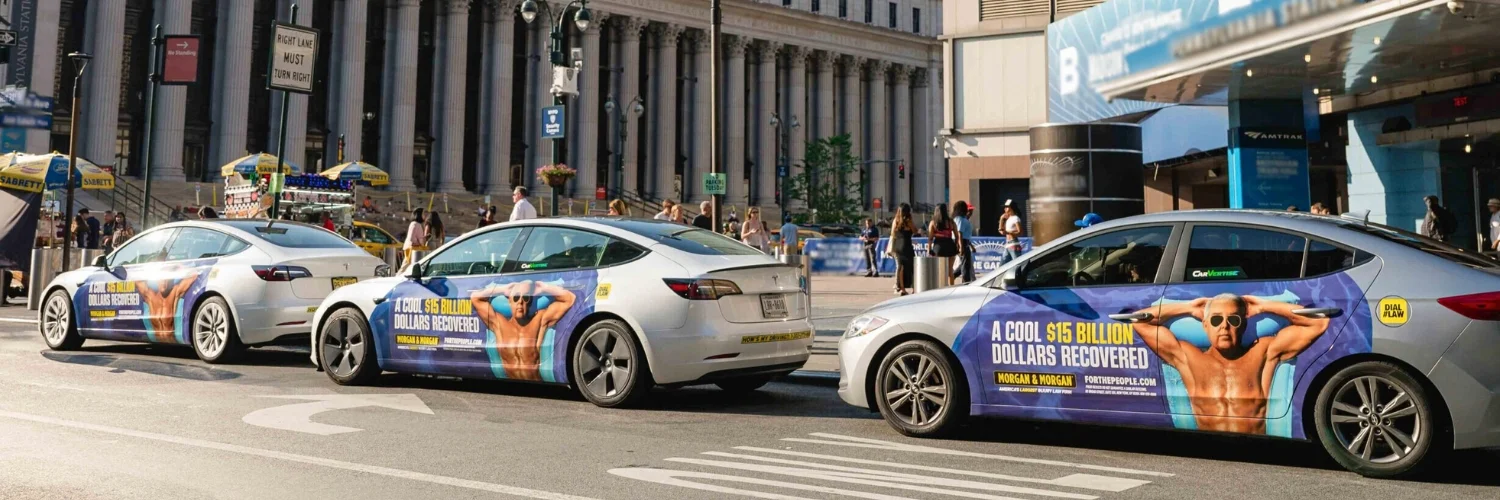
Mobile vehicle advertising solves many traditional billboard limitations by following audiences rather than waiting for them to pass fixed locations. Carvertise’s network of 550,000+ registered drivers enables flexible deployment that adapts to festival crowd movements throughout the Coachella Valley.
Wrapped vehicles circulate through hotel districts where attendees stay, restaurant areas where they dine, and shopping centers where they explore between performances. This mobility ensures brand exposure across multiple touchpoints during festival visits, rather than single highway sightings.
Unlike static billboards requiring year-long commitments, mobile campaigns deploy specifically during festival windows. Brands can concentrate advertising investments during peak audience presence, maximizing impact while controlling costs through precise timing control.
SWARM Campaigns for Festival Concentration
Carvertise’s SWARM events deliver concentrated mobile advertising presence during major festivals through coordinated vehicle deployments. These campaigns position multiple branded vehicles throughout high-traffic areas simultaneously, creating unavoidable visibility for festival crowds.
During Coachella weekends, SWARM campaigns can deploy 10-50 wrapped vehicles throughout approach routes, hotel districts, dining areas, and entertainment zones. This concentration builds recognition through repeated exposure as attendees encounter branded vehicles multiple times during their stay.
The strategy works particularly effectively for festival audiences who remain in the area for several days. Unlike traditional advertising that achieves single impressions, SWARM deployments create frequency through natural movement patterns that align with festival crowd behaviors.
Performance Tracking and Optimization
Carvertise provides GPS-verified tracking that shows exactly where vehicles traveled, how long they spent in specific areas, and which routes generated maximum exposure during festival periods. This accountability surpasses traditional billboard measurement approaches.
Vehicle wraps generate 30,000-70,000 daily impressions per car, often at significantly lower costs than festival season billboard rates. Combined with verified tracking, mobile campaigns deliver measurable performance metrics that traditional outdoor advertising cannot match.
Performance Metrics and ROI Analysis
Festival Advertising Effectiveness Data
Billboard advertising delivers impressive ROI statistics across all markets, with outdoor advertising generating approximately $6 return for every $1 invested. Festival environments create enhanced engagement opportunities that can significantly amplify these baseline performance metrics.
Vehicle wraps prove to be the most memorable transit advertising format according to Nielsen research, outperforming taxis, buses, and even digital billboards in recall studies. Festival environments amplify this memorability advantage through extended exposure periods and engaged audience mindsets.
Mobile Advertising Performance Advantages
Mobile advertising offers significant measurement advantages over traditional billboard campaigns. GPS tracking provides verified exposure data rather than estimated impressions, enabling precise ROI calculations based on actual audience reach rather than theoretical projections.
Cost-effectiveness comparisons show vehicle advertising often delivers superior value compared to traditional transit options, particularly in markets where billboard inventory commands premium pricing during peak demand periods.
Festival-specific deployment strategies maximize advertising efficiency by concentrating exposure during peak audience presence. Rather than paying for year-round visibility when target audiences are absent, mobile campaigns deploy precisely when festival crowds create optimal advertising conditions.
Strategic Campaign Timing for Maximum Impact
Successful festival advertising begins weeks before events through targeted awareness campaigns that build anticipation and brand recognition. Regional tourism data shows visitor activity begins building several weeks before major festivals, creating extended advertising windows beyond headline event dates.
During Coachella and Stagecoach weekends, advertising strategy requires precise audience targeting and maximum coverage deployment. SWARM campaigns concentrate multiple vehicles in high-traffic areas while maintaining coverage across dispersed hotel and dining districts.
Festival weekend optimization focuses on frequency building through repeated exposure as audiences move between hotels, venues, restaurants, and shopping areas. Multiple vehicle encounters throughout weekend visits create stronger brand recall than single billboard sightings.
Year-Round Visibility Beyond Festival Season
Indio’s Growing Economy Supports Sustained Advertising
Indio’s economic development extends far beyond festival season through agricultural heritage, retail expansion, healthcare growth, and educational development. This diversified economy supports year-round advertising opportunities that complement seasonal festival campaigns.
Recent infrastructure investments and business development initiatives position Indio for continued growth beyond its festival reputation. These developments create advertising opportunities for businesses serving both seasonal visitors and year-round residents.
Tourism Season Extends October Through May
While festivals create peak advertising opportunities, Greater Palm Springs tourism data shows visitor activity extends throughout the October-May period, driven by favorable weather and seasonal resident populations.
Winter tourism brings different demographics including retirees, golf enthusiasts, and families escaping colder climates. These audiences create sustained advertising opportunities that complement festival-focused campaigns while maintaining lower competitive pressure.
Year-round strategy enables businesses to build brand recognition during non-peak periods, creating foundation awareness that amplifies during festival seasons. Consistent presence throughout tourism seasons delivers better overall ROI than festival-only approaches.
Capture Coachella’s Energy with Strategic Festival Advertising
Effective advertising in Indio demands understanding the festival economy’s unique rhythms, concentrated audience behaviors, and geographic distribution challenges that static billboards cannot address. Whether targeting Coachella’s massive crowds or building sustainable desert market presence, the right combination of strategic timing and mobile advertising ensures visibility when hundreds of thousands of visitors transform the valley into one of America’s most valuable advertising markets.
Carvertise combines festival expertise with mobile innovation, GPS-verified performance tracking, and SWARM deployment strategies that follow crowds throughout the entire Coachella Valley experience. When you’re ready to capture festival energy that static signs can’t reach, we’re ready to design campaigns that move with the music. Contact our team to get your festival advertising strategy in motion.
Frequently Asked Questions
How much do billboards cost in Indio during festival season?
Festival season drives premium pricing for all outdoor advertising in Indio, with digital billboard campaigns and prime static placements commanding significantly higher rates during Coachella and Stagecoach weekends. Competition from major brands and limited inventory near venues create supply constraints that push costs well above standard rates.
Can I target specific festival attendees with billboard advertising?
Traditional billboards cannot target specific attendee segments, but mobile advertising enables audience targeting through geographic concentration. Coachella attendees tend to stay in specific hotel districts and frequent particular dining areas, creating opportunities for targeted mobile campaigns.
What’s the difference between static and mobile billboard advertising for festivals?
Static billboards remain in fixed locations throughout contracted periods, capturing only audiences that pass specific points. Mobile advertising follows festival crowds throughout their entire valley experience, creating multiple touchpoints as attendees move between hotels, venues, restaurants, and attractions.
How far in advance should I book Indio billboard campaigns?
Premium static billboard locations require 6-12 months advance booking for festival season availability. Many desirable placements near venues book annually through major brand contracts. Mobile advertising offers more flexible timing with typical 3-4 week deployment windows.
Which locations work best for reaching Coachella festival crowds?
Festival crowds scatter throughout the Coachella Valley, staying in hotels from Palm Springs to La Quinta and dining across multiple cities. Effective festival advertising requires comprehensive coverage through mobile campaigns that circulate through areas where attendees actually spend time.
How do I measure billboard campaign effectiveness during festivals?
Traditional billboards rely on estimated impressions that cannot account for festival crowd complexities. Mobile advertising provides GPS-verified tracking showing exactly where vehicles traveled, exposure duration in specific areas, and audience reach metrics.
Are mobile billboards more effective than traditional outdoor advertising?
Mobile advertising delivers superior performance for festival environments because it adapts to crowd movement patterns rather than waiting for audiences to pass fixed locations. Vehicle wraps achieve higher recall rates while providing geographic flexibility during dynamic festival periods.
Can small businesses afford festival advertising in Indio?
Festival season premium pricing often excludes smaller advertisers from traditional billboard opportunities. Mobile advertising offers more accessible entry points with flexible deployment options that concentrate budgets during peak audience presence.
What creative guidelines work best for festival audience targeting?
Festival advertising creative should emphasize bold visuals readable from moving vehicles and capture the energy that draws audiences to events. Messages should be concise and memorable, incorporating elements that resonate with music demographics while maintaining clear brand identification.
How does mobile advertising complement traditional billboard placement?
Mobile advertising extends traditional billboard reach by following audiences beyond static placement locations. While highway billboards capture approach traffic, mobile campaigns maintain exposure throughout hotel districts and entertainment zones where festival attendees spend most of their time.
What ROI should I expect from Indio billboard campaigns?
Billboard advertising typically generates $6 return for every $1 invested according to industry research. Festival environments can amplify these returns through enhanced audience engagement. Mobile campaigns often deliver superior ROI through lower costs and verified tracking.
How do I reach both festival crowds and local residents effectively?
Successful Indio advertising requires understanding seasonal audience shifts between massive festival influxes and steady year-round residents. Mobile campaigns can adapt geographic targeting throughout these cycles, concentrating on tourism areas during festivals while shifting to residential districts during standard periods.