

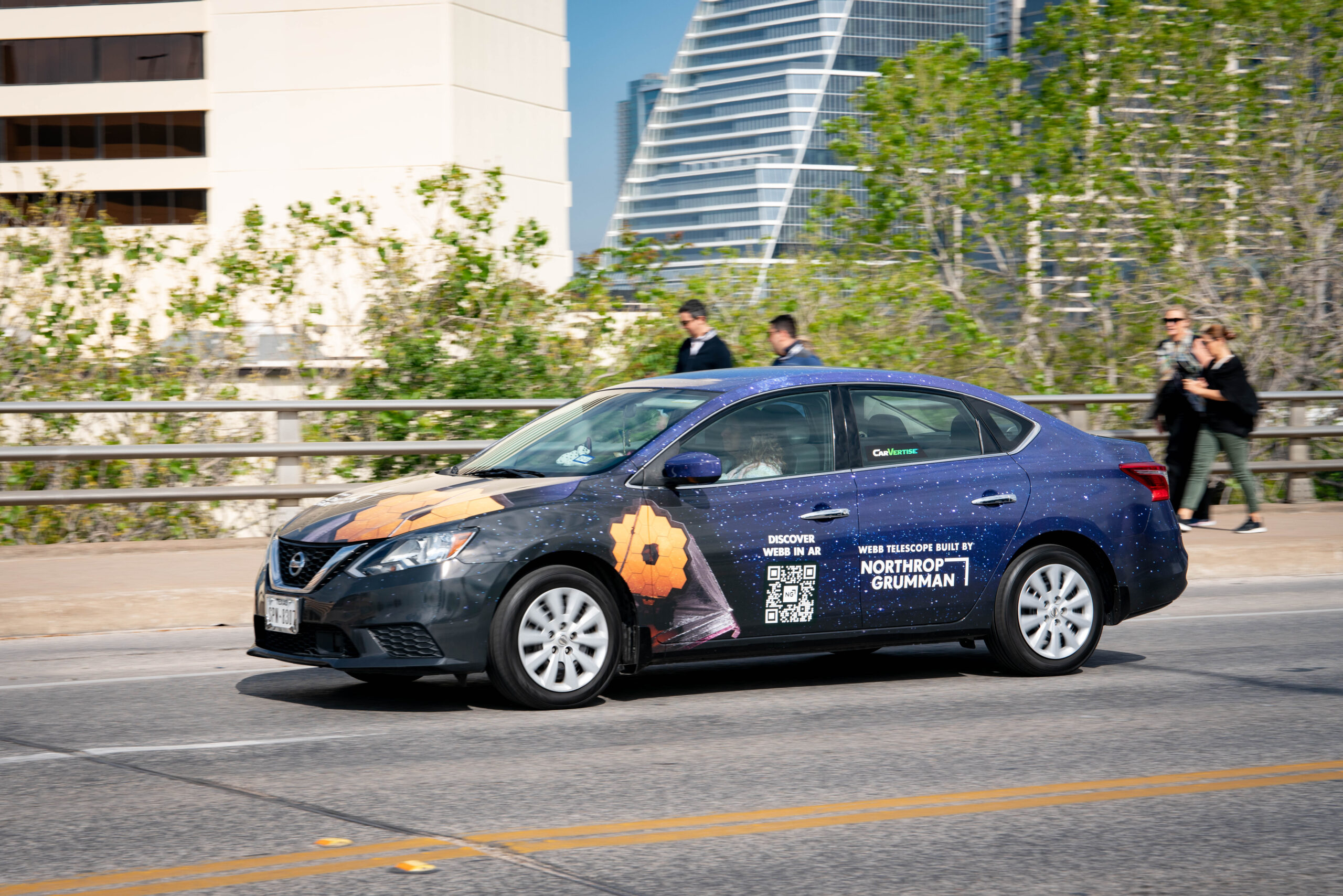
One of the first questions marketers ask when planning a branded vehicle swarm is simple: how many vehicles do we need?
The answer depends on more than event attendance. A strong Event SWARM plan accounts for venue layout, audience movement, traffic patterns, timing windows, priority coverage zones, campaign objectives, and measurement goals.
For brand marketers and media planners, fleet size should be tied to the job the campaign needs to do. A smaller event may only require a concentrated group of wrapped vehicles near key arrival and departure points. A major conference, festival, stadium event, or citywide activation may require a larger fleet to create visible density across hotels, restaurants, parking areas, entertainment districts, and nearby rideshare pickup and drop-off areas.
Here are seven practical factors that determine how many branded vehicles a brand may need for an effective Event SWARM.
Quick Answer: How Many Vehicles Do You Need for a Branded Vehicle Swarm?
Most branded vehicle swarms start with enough vehicles to create visible density around the event’s highest-traffic areas. The right number depends on venue layout, expected attendance, timing, traffic conditions, campaign goals, and the number of priority zones the brand wants to cover.
Smaller activations may need only a handful of vehicles. Larger stadium events, festivals, conferences, or citywide activations may require a larger coordinated fleet to support broader coverage and repeated exposure.
Quick Guide: 7 Factors That Influence Branded Vehicle Swarm Size
- Venue size and layout: Larger venues, multiple entrances, and spread-out event districts usually require more vehicles.
- Expected attendance: Higher attendance can increase the need for visible density and repeated exposure.
- Event duration and timing: Multi-day events or multiple peak windows may require a different fleet strategy than a single event window.
- Traffic patterns and route access: Congested streets, road closures, parking routes, and venue restrictions affect how vehicles can move.
- Campaign objective: Awareness, event association, retargeting, visitation, and foot traffic goals may require different deployment plans.
- Geographic coverage area: Hotels, restaurants, airports, entertainment districts, retail areas, and visitor destinations can expand the campaign footprint.
- Measurement needs: GPS activity, coverage maps, impressions, demographic data, and Device ID Passback can influence how the campaign is structured.
How Carvertise Approaches SWARM Sizing
Carvertise sizes Event SWARMS based on real campaign planning variables, including venue layout, event timing, driver availability, route access, traffic patterns, priority zones, and measurement goals.
Instead of using a one-size-fits-all vehicle count, Carvertise’s operations team evaluates where the audience will be moving, when visibility will matter most, and how many vehicles are needed to create noticeable street-level presence across the event environment.
The goal is not simply to put wrapped vehicles on the road. The goal is to create the right level of visibility in the places where the audience is most likely to notice the brand.
1. Venue Size and Layout
Venue layout is one of the first factors that determines branded vehicle swarm size.
A compact arena with a few main entry points may require fewer vehicles to create visible density. A larger stadium district, festival footprint, convention center area, or citywide event zone may require more vehicles to maintain consistent coverage across multiple audience touchpoints.
Carvertise evaluates the physical event environment before recommending fleet size. This includes where people arrive, where they exit, where traffic slows, where rideshare activity happens, and where attendees move before and after the event.
Key venue factors include:
- Main entry and exit points
- Parking areas and parking structure exits
- Nearby rideshare pickup and drop-off areas
- Adjacent hotels, restaurants, bars, and entertainment zones
- Road closures or restricted access areas
- Pedestrian traffic patterns
- High-visibility streets around the event district
A branded vehicle swarm should be planned around the real movement of the audience, not just the size of the venue.
2. Expected Attendance
Attendance matters because larger crowds typically require more visibility points.
The goal is not to reach every attendee with a guaranteed number of exposures. The goal is to build enough frequency that attendees have multiple opportunities to see the brand as they arrive, leave, wait, walk, sit in traffic, or move between nearby destinations.
A smaller event may allow a concentrated fleet to create strong presence around a limited number of routes. A larger event may require more vehicles because the audience is spread across multiple entrances, parking areas, hotel blocks, restaurants, transit hubs, and surrounding streets.
Attendance-based planning should consider:
- Total expected attendance
- Peak arrival and departure volume
- Whether attendees arrive all at once or over several hours
- How many access points the audience uses
- Whether the event has one primary venue or multiple activity zones
- Whether the audience remains nearby after the event
Higher attendance does not always mean the campaign needs the largest possible fleet. A compact, high-density event may need fewer vehicles than a spread-out event with lower attendance but multiple audience movement zones.
3. Event Duration and Timing Windows
A single evening game requires a different deployment plan than a four-day conference, multi-day festival, or citywide celebration.
Timing affects how many vehicles are needed, how long they should be active, and whether the campaign should focus on one concentrated window or several activation periods.
For a single-day event, strong visibility windows often include:
- Pre-event arrival periods
- Final arrival surges before start time
- Post-event departure traffic
- Nearby restaurant, bar, or hotel activity before and after the event
For conferences and trade shows, strong windows may include:
- Morning arrivals
- Lunch breaks
- Evening networking events
- Hotel and restaurant movement
- After-hours events and client dinners
For festivals, races, and multi-day events, strong windows may include:
- Daily arrival periods
- Headline programming
- Evening departures
- Weekend traffic surges
- Hotel, restaurant, and nightlife movement
A strong Event SWARM does not just show up near an event. It shows up when the audience is most likely to notice.
4. Traffic Patterns and Route Access
Traffic can significantly influence branded vehicle swarm sizing.
Slow-moving traffic can increase dwell time, giving pedestrians, drivers, and passengers more time to notice the wrapped vehicles. In dense event districts, fewer vehicles may still create strong visibility if routes are concentrated and traffic patterns support repeated exposure.
In more spread-out markets, a larger fleet may be needed to cover multiple approach routes, parking areas, hotel districts, and entertainment zones.
Route planning should account for:
- Road closures
- Police-controlled access points
- Venue restrictions
- Traffic congestion
- Parking routes
- Transit areas
- Rideshare corridors
- Pedestrian-heavy streets
- Legal and practical vehicle movement
Carvertise uses route planning and GPS activity to understand where vehicles traveled, when they were active, and whether the campaign covered the intended event zones.
5. Campaign Objectives and Success Metrics
Fleet size should be based on the campaign objective.
A brand awareness campaign may prioritize visible density and repeated exposure across the event district. A tourism or destination campaign may focus on visitor-heavy areas such as hotels, attractions, restaurants, and downtown corridors. A retail or restaurant campaign may prioritize routes near store locations and surrounding trade areas.
Different objectives require different deployment plans.
Brand Awareness
For awareness-focused campaigns, the goal is to create broad visibility and repeated exposure. Vehicles may be deployed across venue-adjacent streets, hotel corridors, restaurants, parking areas, entertainment districts, and high-traffic routes.
Event Association
For brands that want to connect themselves to a specific event moment, vehicles may be concentrated near arrival routes, venue-adjacent streets, fan zones, nearby hotels, and gathering areas.
Retail or Visitation Lift
For campaigns tied to store traffic, restaurant visits, tourism, or destination marketing, routes may be planned around priority locations, nearby corridors, and areas where the target audience is likely to move.
Digital Retargeting
For campaigns that include Device ID Passback, fleet planning may account for the areas where exposed audiences can later be re-engaged through digital channels.
Content and Social Amplification
If the campaign is also intended to generate social content, routes and staging opportunities may be planned around highly visible locations where the fleet can be photographed or captured on video.
The clearer the objective, the easier it is to determine the right vehicle count, timing, routes, and reporting plan.
6. Geographic Coverage Area Beyond the Venue
Event audiences do not only exist at the venue.
They stay at hotels, eat at restaurants, move through airports, attend networking events, visit attractions, and travel through downtown corridors. For many campaigns, the most valuable visibility happens throughout the larger event ecosystem, not just near the main entrance.
A branded vehicle swarm may be planned around different coverage zones:
| Coverage Zone | What It Includes | When It Makes Sense |
|---|---|---|
| Core event zone | Venue entrances, exits, parking areas, and nearby streets | Best for concentrated visibility around one event location |
| Extended event zone | Nearby hotels, restaurants, bars, transit hubs, and entertainment areas | Best when attendees move throughout the surrounding district |
| Full market zone | Airports, visitor destinations, retail areas, downtown corridors, and multiple event locations | Best for tourism, citywide events, major conferences, and broader brand visibility strategies |
The larger the coverage area, the more important fleet size becomes. A small fleet may work well in a compact event zone. A larger campaign footprint usually requires more vehicles to maintain visibility across multiple priority areas.
7. Measurement and Reporting Requirements
Reporting needs can also influence how a branded vehicle swarm is planned.
If a campaign needs to prove coverage across specific event zones, vehicles should be routed and tracked accordingly. If the campaign includes digital retargeting, audience insights, or attribution, the deployment strategy should support those measurement goals from the start.
Carvertise SWARM reporting can include:
- Real maps of campaign coverage
- Real-time GPS activity
- Route coverage by market or event zone
- Estimated impressions
- Campaign photos
- Demographic audience data
- Device ID Passback for digital retargeting
- Post-campaign performance reporting
Depending on campaign goals and the measurement package, additional reporting may include visitation insights, foot traffic analysis, or attribution studies.
Measurement helps marketers understand where vehicles traveled, which areas received coverage, and how exposed audiences can be re-engaged after the campaign.
Event Type and Fleet Sizing Considerations
Different events create different planning challenges. The right branded vehicle swarm size depends on how concentrated or spread out the audience is.
| Event Type | Common Sizing Consideration | Why It Matters |
|---|---|---|
| Stadium event | Multiple entrances, parking areas, rideshare corridors, and tailgate zones | Requires visibility across several movement zones |
| Conference or trade show | Convention center, hotels, restaurants, meeting hubs, and after-hours events | Audience moves throughout the market, not just the venue |
| Music festival | Multi-day attendance, scattered entry points, transit flow, and nightlife movement | Timing and geographic spread matter |
| Retail launch | Store location, nearby traffic, shopping districts, and trade area | A smaller fleet may work if the zone is concentrated |
| Tourism or destination event | Hotels, attractions, restaurants, downtown corridors, and visitor routes | Broader coverage may be needed to reach visitors throughout the market |
| Citywide celebration | Multiple neighborhoods, venues, gathering areas, and traffic corridors | Larger fleet planning may be needed for broader visibility |
How Do You Calculate Impressions for a Branded Vehicle Swarm?
Impression estimates for branded vehicle swarms are based on campaign delivery factors such as vehicle activity, route coverage, traffic patterns, time in market, and audience density.
Event activations differ from standard vehicle advertising because impressions are concentrated around a specific audience, location, and time window. When vehicles circulate near a venue, hotel district, restaurant corridor, or high-traffic event area, the campaign is designed to create repeated exposure within a defined event environment.
Carvertise uses GPS activity, coverage maps, and post-campaign reporting to help marketers understand where the fleet traveled and how the campaign showed up in market.
What Makes Event SWARMS Different From Standard Vehicle Advertising?
Standard vehicle wrap advertising builds awareness across a market over time. Event SWARMS are different because they concentrate wrapped vehicles around a specific event, audience, and time window.
The impact comes from density. When attendees see multiple vehicles wrapped in the same campaign creative around the event district, the brand feels more present than it would with a single vehicle or one fixed placement.
For marketers targeting high-value event audiences, SWARMS offer a focused way to create visibility during the moments when those audiences are already gathered and moving.
Why Brands Use Carvertise for Event SWARMS
Carvertise Event SWARMS are built around operational precision, not guesswork. Before vehicles hit the road, Carvertise evaluates the event footprint, audience movement patterns, traffic flow, venue access, hotel corridors, parking areas, nearby rideshare pickup and drop-off areas, and other high-visibility zones where attendees are most likely to move.
Using advanced intelligence platforms, route planning, and event-specific market analysis, Carvertise identifies the optimal timing, routes, and priority zones for each fleet deployment. This helps ensure branded vehicles are positioned around peak foot traffic windows, including arrivals, departures, networking periods, post-event movement, and surrounding market activity.
Carvertise manages the full execution process, including vehicle wrapping, driver coordination, route deployment, real-time GPS activity, coverage maps, impression reporting, demographic audience data, Device ID Passback, and post-campaign insights.
For brand marketers and media planners, this gives Event SWARMS a more strategic role in the media mix: coordinated street-level visibility around high-attention moments, backed by operational planning and reporting that shows where the campaign ran, how coverage was delivered, and how exposed audiences can be re-engaged.
FAQs About Branded Vehicle Swarm Sizing
How many vehicles do I need for a branded vehicle swarm?
The right number depends on the event size, venue layout, campaign goals, timing, traffic patterns, route access, and coverage area. Smaller activations may only need a handful of vehicles, while larger events may require a larger coordinated fleet to create visible density across multiple audience zones.
How many vehicles do I need for a stadium event?
Most stadium campaigns should be planned around the number of entrances, parking areas, nearby rideshare pickup and drop-off areas, tailgate zones, hotel corridors, and surrounding streets the brand wants to cover. A compact stadium district may need fewer vehicles than a large venue with multiple access points and surrounding activity zones.
Can I run a SWARM campaign for a multi-day conference?
Yes. Multi-day conferences are strong use cases for branded vehicle swarms because attendees move between convention centers, hotels, restaurants, meetings, networking events, and after-hours activities. Campaigns can be structured around peak arrival periods, lunch breaks, evening networking, and post-event movement.
What is the minimum fleet size for an effective SWARM?
The right minimum depends on the event footprint and visibility goals. Many Event SWARMS begin with a smaller coordinated fleet, but larger events may require more vehicles to create density across multiple routes, hotels, parking areas, restaurants, and venue-adjacent streets.
How far in advance should I plan a SWARM campaign?
Planning timelines depend on creative, wrap production, market availability, fleet size, reporting needs, and event complexity. Brands should plan as early as possible, especially for major events, multi-day activations, or campaigns requiring custom creative and advanced measurement.
How do you measure SWARM campaign success?
Carvertise can measure SWARM campaign activity through real-time GPS tracking, real maps of campaign coverage, estimated impressions, route coverage, demographic audience data, and post-campaign reporting. Campaigns may also include Device ID Passback for digital retargeting or additional attribution studies depending on the measurement package.
Are branded vehicle swarms only for major events?
No. Branded vehicle swarms can support major events, but they can also be used for retail openings, product launches, tourism campaigns, local activations, college events, and citywide celebrations. The fleet size and deployment plan should match the size of the opportunity.
Plan the Right-Sized Event SWARM With Carvertise
The right branded vehicle swarm size is not based on a fixed formula. It depends on the event, the audience, the market, and the job the campaign needs to do.
Carvertise helps brands evaluate venue layout, timing, route access, coverage zones, fleet size, and reporting needs to build Event SWARMS that create visible street-level presence around high-attention moments.
Contact Carvertise to plan the right-sized Event SWARM for your next event marketing activation.