

Major events concentrate attention, but they also concentrate competition. Around conferences, festivals, concerts, sporting events, races, product launches, and citywide celebrations, brands are often competing against venue signage, sponsor activations, billboards, digital ads, social content, and street-level distractions.
For brand marketers and media planners, the challenge is not simply being near the event. It is creating enough visibility, frequency, and market coverage to be noticed before, during, and after the moment.
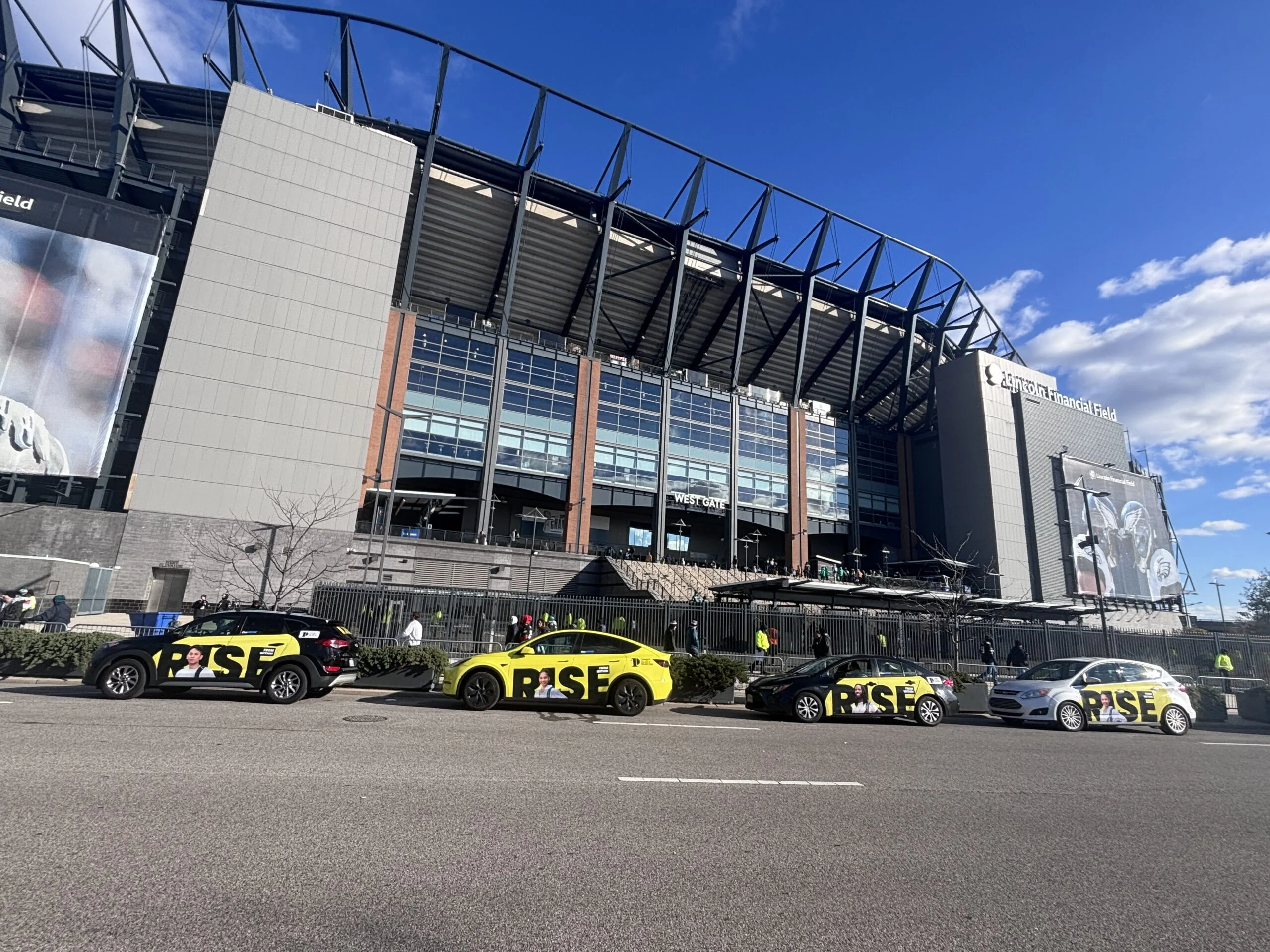
Branded vehicle swarms give brands a flexible event marketing activation built for high-attention environments. By deploying coordinated fleets of professionally wrapped vehicles around event areas, Carvertise Event SWARMS help brands create repeated street-level visibility across the routes, hotels, restaurants, parking areas, entertainment districts, and nearby rideshare pickup and drop-off areas where audiences are already moving.
Brands looking to expand event visibility can learn more about SWARM, Carvertise’s event-focused fleet advertising solution.
What Are Branded Vehicle Swarms?
A branded vehicle swarm is a coordinated fleet of wrapped vehicles deployed around a specific event, venue, or high-traffic area during peak audience movement.
Unlike a traditional billboard, which stays fixed in one location, a branded vehicle swarm moves through the surrounding event environment. Vehicles can circulate near convention centers, stadium districts, hotels, restaurants, parking corridors, transit hubs, entertainment areas, downtown streets, and post-event traffic routes.
As part of a broader event marketing activation strategy, vehicle swarms help brands create visibility throughout the attendee journey, not just inside or immediately outside the venue.
Why Branded Vehicle Swarms Matter for Brand Visibility
Event audiences rarely stay in one place. Attendees arrive from airports, check into hotels, gather at restaurants, walk through entertainment districts, wait for rideshare, sit in traffic, and move between event-related destinations.
That movement creates an opportunity for brands. Instead of relying on one static placement, branded vehicle swarms create multiple street-level touchpoints across the event ecosystem.
This approach can support:
- Greater visibility around high-traffic event areas
- Repeated exposure throughout arrival and departure windows
- Flexible route coverage across key audience locations
- Stronger presence beyond a single venue or billboard placement
- GPS-verified reporting and post-campaign performance insights
For brands trying to stand out during a crowded event window, the advantage is density. One wrapped vehicle can generate attention. A coordinated fleet creates a larger, more noticeable brand presence.
How Event SWARMS Work
Carvertise Event SWARMS are planned around audience movement, timing, route access, and campaign goals.
Campaign planning typically includes:
- Event location and surrounding market analysis
- Audience and attendee movement patterns
- Priority routes and high-traffic zones
- Fleet size recommendations
- Campaign timing and deployment windows
- Creative production and vehicle wrapping
- Driver communication and coordination
- GPS-verified reporting and post-campaign insights
Vehicles are then deployed around key areas such as:
- Convention centers
- Stadiums and arenas
- Hotels
- Restaurant and nightlife districts
- Parking corridors
- Transit hubs
- Downtown streets
- Nearby rideshare pickup and drop-off areas
- Event-related gathering zones
The goal is not just to have vehicles on the road. The goal is to place enough branded vehicles in the right areas at the right times to create visible frequency around the event.
How Many Vehicles Are Needed for a Branded Vehicle Swarm?
Fleet size depends on the event, market, venue layout, campaign goals, and number of priority areas the brand wants to cover.
A smaller local activation, retail opening, or product launch may only require a handful of wrapped vehicles to create a noticeable presence. A larger sporting event, music festival, conference, race weekend, or citywide celebration may require a larger fleet to cover multiple audience zones.
Factors that influence fleet size include:
- Expected event attendance
- Size of the event district
- Number of priority routes
- Length of the campaign window
- Whether the event is one day or multi-day
- How spread out the audience is across hotels, restaurants, venues, and entertainment areas
- Whether the brand wants concentrated visibility or broader market coverage
The right fleet size should be based on visibility goals, not a generic vehicle count. A concentrated venue may need fewer vehicles. A sprawling event district may need more.
When Should Event SWARMS Be Deployed?
Timing is one of the most important parts of a successful branded vehicle swarm.
The strongest deployment windows usually align with audience movement, including:
- Pre-event arrival periods
- Final arrival surges before start time
- Hotel and restaurant traffic before the event
- Rideshare and parking activity
- Post-event departure traffic
- Evening entertainment or after-party movement
- Multi-day event programming
For sporting events, the hours before kickoff, tipoff, or first pitch can be especially valuable because fans are arriving, tailgating, walking, parking, and moving through the surrounding district.
For conferences, visibility may be strongest during morning arrivals, lunch breaks, evening networking periods, and after-hours events near hotels, restaurants, and meeting hubs.
For festivals and concerts, daily arrival windows, headline performance times, and late-night departures can create strong opportunities for repeated exposure.
A strong Event SWARM does not just show up near an event. It shows up when the audience is most likely to notice.
How Much Does a Branded Vehicle Swarm Cost?
The cost of a branded vehicle swarm depends on campaign scope, market, fleet size, creative production, duration, and reporting needs.
Common cost factors include:
- Number of vehicles
- Wrap type and creative complexity
- Campaign length
- Market and event location
- Driver coordination requirements
- Route planning complexity
- Single-day versus multi-day deployment
- Reporting and measurement package
- Optional digital retargeting or attribution add-ons
For media planners, the better question is not only “How much does it cost?” It is “How much visibility, frequency, and market coverage can the campaign create around the event?”
Compared with premium venue sponsorships or static placements, branded vehicle swarms can give brands a flexible way to create event presence across multiple locations instead of relying on one fixed point of exposure.
Branded Vehicle Swarms vs. Billboards, Mobile Billboard Trucks, and Experiential Activations
Different event promotion tools serve different roles. Branded vehicle swarms are especially useful when a brand wants flexible, mobile visibility across a larger event environment.
| Channel | Best For | Limitation | How Branded Vehicle Swarms Compare |
|---|---|---|---|
| Billboards | Fixed awareness in one location | Limited to one placement and traffic pattern | Swarms move through multiple event areas and audience routes |
| Venue signage | Reaching attendees inside or near the venue | Often requires sponsorship access and may stay within the venue footprint | Swarms extend visibility into surrounding streets, hotels, restaurants, and traffic corridors |
| Mobile billboard trucks | High-impact street visibility | Often limited to one large vehicle or a small number of routes | Swarms create a bigger fleet effect, with multiple vehicles wrapped in unison for stronger repetition, density, and street-level presence |
| Experiential activations | Face-to-face engagement | Often limited to one footprint, booth, or activation space | Swarms create broader street-level visibility across the surrounding market |
| Digital ads | Online reach and retargeting | Does not create physical presence at the event | Swarms add real-world visibility that can complement digital media |
For many brands, the strongest event strategy is not choosing one channel. It is combining physical visibility, digital reinforcement, and post-campaign measurement.
How Branded Vehicle Swarm Performance Is Measured
Carvertise Event SWARMS are supported by reporting that helps marketers see where the campaign ran, how much coverage it created, and how audiences can be re-engaged after exposure.
Reporting can include:
- Real maps of campaign coverage
- Real-time GPS activity
- Route coverage by market or event zone
- Estimated impressions
- Campaign photos
- Demographic audience data
- Device ID Passback for digital retargeting
- Post-campaign performance reporting
Depending on the campaign goals and measurement package, brands can use these insights to understand where vehicles traveled, which areas received the strongest coverage, and how exposed audiences can be retargeted through digital channels.
This helps marketers evaluate performance beyond basic visibility and use campaign insights to improve future event activations.
Tools and Methods Used in SWARM Campaigns
Branded vehicle swarms combine vehicle wrap advertising with planning, coordination, and reporting.
Common tools and methods include:
- GPS tracking
- Route planning
- Driver coordination
- Audience targeting
- Campaign dashboards
- Attribution studies
- Retargeting technologies
- Post-campaign reporting
Together, these tools help marketers understand where exposure occurred, which areas were covered, and how the campaign supported broader brand visibility strategies.
Best Practices for Running Branded Vehicle Swarms
A successful Event SWARM depends on more than putting wrapped vehicles on the road. Carvertise’s operations team plans each deployment around timing, audience movement, route access, creative visibility, and campaign measurement.
To maximize performance, strong SWARM campaigns should:
- Deploy vehicles during peak arrival and departure windows
- Focus on attendee travel routes and surrounding event districts
- Use bold, simple creative that can be read quickly
- Prioritize high-traffic areas near hotels, restaurants, venues, and entertainment zones
- Plan around road closures, traffic patterns, and venue access restrictions
- Track performance with GPS-verified reporting
- Consider pairing the campaign with digital retargeting, paid social, PR, influencer content, or on-site activations
The most effective Event SWARMS are built around real audience behavior. They are planned around where people move, when attention is highest, and how the brand can show up repeatedly throughout the event environment.
Frequently Asked Questions
What are branded vehicle swarms?
Branded vehicle swarms are coordinated fleets of wrapped vehicles deployed around specific events, venues, or high-traffic areas to create repeated street-level visibility across multiple audience locations.
How many vehicles are typically included in a swarm campaign?
Fleet size depends on the event, market, venue layout, campaign goals, and number of priority areas. Some campaigns use a handful of vehicles, while larger event activations may require a larger coordinated fleet.
How much does a branded vehicle swarm cost?
Cost depends on fleet size, campaign duration, wrap type, market, event complexity, driver coordination, and reporting needs. Optional services such as digital retargeting or attribution may also affect pricing.
Are branded vehicle swarms measurable?
Yes. Carvertise campaigns can include GPS tracking, route coverage, active campaign hours, estimated impressions, and post-campaign reporting. Depending on the campaign, additional measurement may include digital retargeting, visitation insights, or attribution studies.
What events work best for swarm advertising?
Branded vehicle swarms work well for conferences, trade shows, sporting events, festivals, concerts, races, retail launches, product launches, tourism events, and citywide activations.
How do vehicle swarms compare to billboards?
Billboards stay fixed in one location. Vehicle swarms move throughout key event areas, helping brands reach audiences across arrival routes, hotels, restaurants, parking areas, rideshare pickup and drop-off areas, and surrounding streets.
Can swarm campaigns run across multiple cities?
Yes. Brands can run coordinated vehicle swarm campaigns across multiple markets, depending on campaign goals, timing, and fleet availability.
Do brands need to be official event sponsors to run a branded vehicle swarm?
Not necessarily. Branded vehicle swarms operate in public areas surrounding events, such as streets, hotel districts, restaurants, and nearby commercial corridors. Brands should not imply official affiliation with an event, team, league, venue, or sponsor unless that relationship exists.
Plan Your Next Event SWARM With Carvertise
Branded vehicle swarms help brands create flexible, measurable visibility around the moments when audiences are already moving.
Whether you are planning around a conference, sporting event, festival, concert, race weekend, retail launch, product launch, tourism event, or citywide celebration, Carvertise can help you build the right fleet size, timing, routing strategy, and measurement plan.
Contact Carvertise to plan your next Event SWARM.