

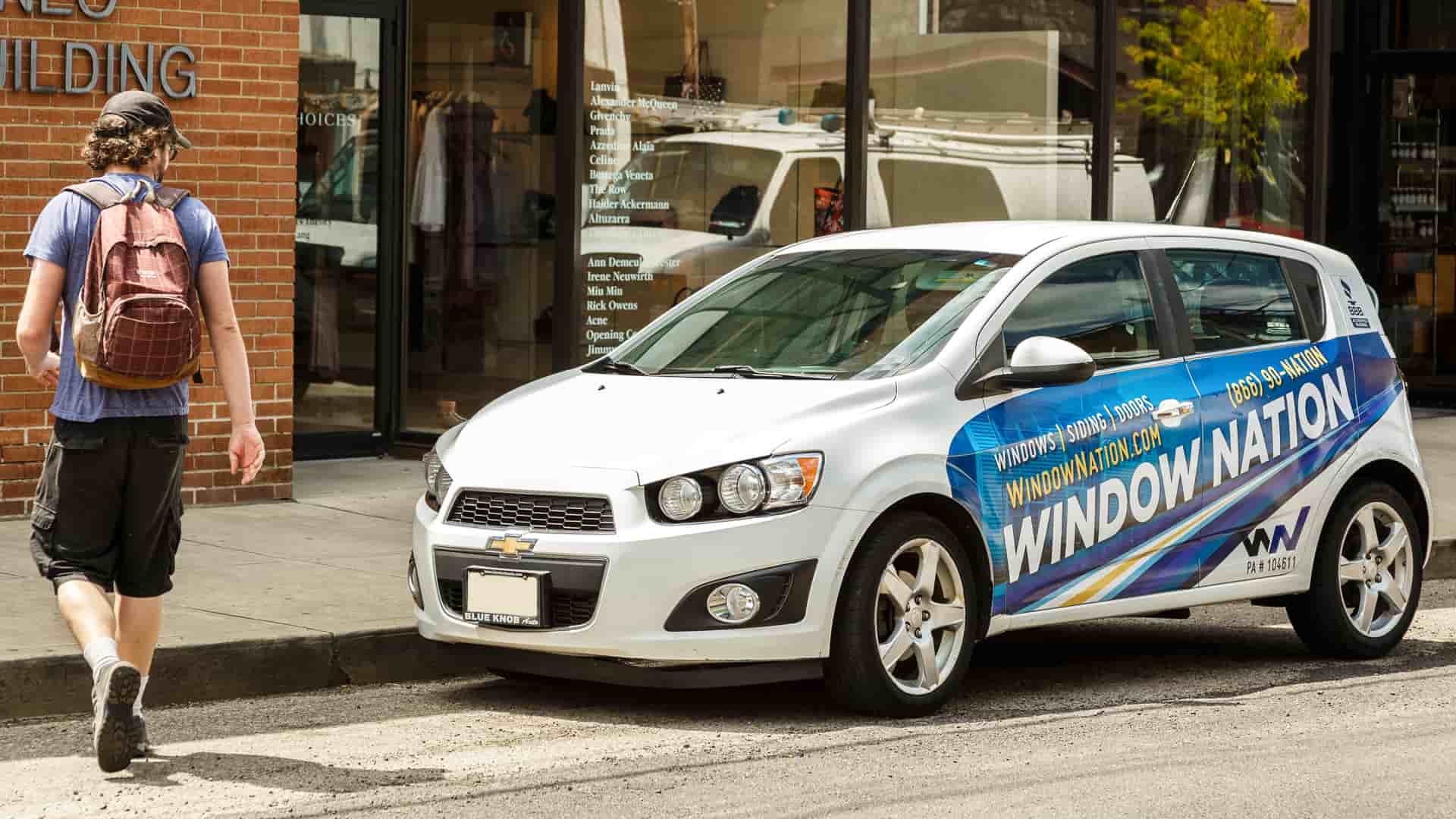
Retail launches move fast. Brands need awareness quickly, across entire cities, with clear proof of performance. Carvertise Mass Market helps retail and consumer brands launch products with measurable rideshare advertising campaigns that combine citywide visibility with GPS-verified tracking.
Unlike static billboards or traditional transit placements, rideshare advertising keeps your brand moving through high-traffic areas all day. Campaign data also helps marketing teams measure impressions, reach, and campaign impact.
Why Retail Brands Are Turning to Citywide Rideshare Advertising
Retail launches depend on visibility at scale. Consumers need to see your product repeatedly before they visit a store or search online.
Carvertise Mass Market gives brands:
- High-frequency exposure in busy retail corridors
- Flexible campaign coverage across multiple neighborhoods
- Faster campaign deployment than many traditional outdoor formats
- GPS tracking ad attribution for better reporting
- Campaign analytics and ROI measurement tied to real-world movement
Brands running citywide brand awareness campaigns often compare mobile rideshare ads with buses, trains, and subway ads. The biggest difference is flexibility.
With rideshare advertising, campaigns can move into high-demand retail zones, shopping districts, nightlife areas, and event locations throughout the day.
Learn more about mobile advertising solutions on the Carvertise homepage.
How Carvertise Mass Market Supports Retail Launch Marketing
Carvertise wraps rideshare vehicles with branded creative and deploys them across targeted cities. Drivers naturally travel through busy consumer areas, helping brands generate repeated impressions.
Campaigns can support:
- New retail store openings
- Product launches
- Seasonal promotions
- Event and conference promotions
- Regional expansion campaigns
Marketing teams can also combine campaigns with sampling, QR codes, and digital retargeting.
Brands looking for broader exposure can explore Carvertise rideshare advertising services for scalable market coverage.
What Brands Can Measure With GPS Tracking and Attribution
Retail marketers increasingly need proof of performance. Carvertise campaigns include GPS-verified reporting that tracks where vehicles traveled and how often audiences were exposed.
Common campaign analytics and ROI measurement metrics include:
- Estimated impressions
- Route heatmaps
- Neighborhood coverage
- Frequency by zone
- Dwell time near retail locations
- Store visit lift analysis
- Campaign duration performance
This data helps brands compare rideshare advertising with transit advertising and other out-of-home channels.
Unlike fixed transit placements, rideshare vehicles can continuously optimize exposure across multiple consumer hotspots.
A Retail Launch Example With Measurable Results
Imagine a consumer electronics brand launching a new product across a major metro area.
The brand deploys:
- 150 wrapped rideshare vehicles
- A six-week campaign
- Coverage across shopping districts and entertainment zones
- QR code creative tied to launch offers
Campaign reporting could show:
- 8 million estimated impressions
- 92% city coverage across target ZIP codes
- Increased store visits near activation zones
- Stronger awareness during launch weekends
Brands often use rideshare advertising during event and conference promotions because vehicles naturally cluster near convention centers, retail hubs, and entertainment venues.
You can review campaign examples on the Carvertise case studies page.
Tools and Methods Behind Carvertise Mass Market Campaigns
Carvertise combines outdoor advertising with modern analytics tools.
Campaign methods may include:
- GPS route verification
- Impression modeling
- Geo-targeting
- Mobile retargeting integrations
- QR tracking
- Market saturation planning
- Heatmap reporting
These tools help brands improve retail launch marketing performance while measuring real-world exposure.
Compared with transit advertising, rideshare campaigns also allow faster geographic adjustments during active campaigns.
Retail brands exploring flexible media strategies can compare solutions through the Carvertise advertiser solutions page.
Common Challenges in Retail Launch Advertising
Retail launches face several marketing challenges.
Limited Campaign Flexibility
Transit campaigns often stay fixed in one route or station location. Retail brands may struggle to adapt quickly.
Rideshare advertising provides more movement and broader neighborhood reach.
Difficulty Measuring Offline Exposure
Many traditional outdoor campaigns offer limited attribution.
GPS tracking ad attribution helps brands understand where campaigns delivered visibility.
High Competition During Launch Periods
Retail categories are crowded. New launches compete for attention across digital and physical channels.
Citywide brand awareness campaigns help increase repeated consumer exposure during critical launch windows.
Best Practices for Retail Launch Rideshare Advertising
Brands see stronger results when campaigns focus on both reach and timing.
Recommended best practices include:
- Launch campaigns before products hit stores
- Target retail-heavy neighborhoods
- Align creative with digital campaigns
- Use QR codes or landing pages for tracking
- Increase saturation near launch events
- Pair rideshare advertising with social retargeting
Campaigns also perform well when creative remains simple and highly visible from a distance.
Short headlines and bold visuals usually generate stronger recall.
FAQs
What makes rideshare advertising effective for retail launches?
Rideshare advertising creates repeated exposure across busy city areas where consumers shop, commute, and socialize. The mobile format increases visibility throughout the day.
How does Carvertise track campaign performance?
Carvertise uses GPS tracking ad attribution tools to monitor vehicle routes, campaign coverage, and estimated impressions.
How does rideshare advertising compare with transit advertising?
Transit advertising is fixed to stations or routes. Rideshare advertising provides more flexibility because vehicles travel across multiple neighborhoods and consumer hotspots.
Can rideshare advertising support event and conference promotions?
Yes. Campaigns can target convention centers, entertainment districts, and nearby retail zones during major events.
What industries use retail launch rideshare advertising?
Retail, consumer electronics, food and beverage, fashion, entertainment, and direct-to-consumer brands commonly use rideshare advertising campaigns.
Is rideshare advertising measurable?
Yes. Campaign analytics and ROI measurement tools help brands analyze exposure, route coverage, and audience reach.