

Pomona sits at one of Southern California’s busiest freeway crossroads. Interstate 10, State Route 60, and State Route 71 converge here, funneling commuters between Los Angeles, the Inland Empire, and Orange County through your market every single day.
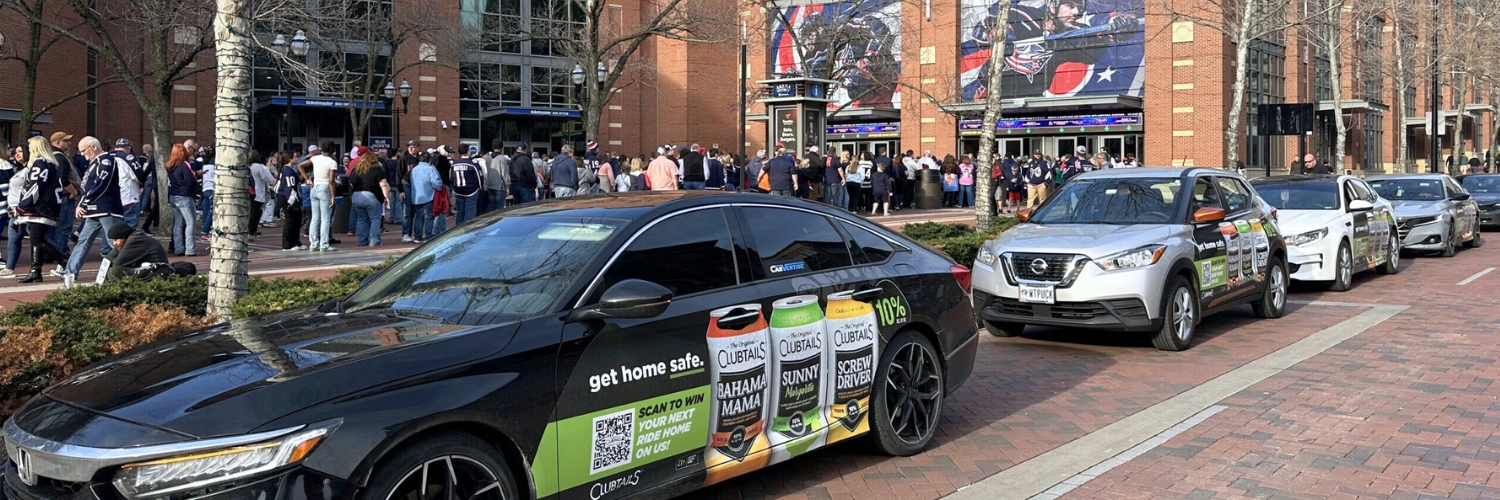
Traditional billboards fade into the background. Mobile billboard advertising through vehicle wraps puts your message directly into traffic, parking lots, and neighborhoods where your customers actually spend their time.
Ready to dominate Pomona’s streets with mobile advertising that follows your customers? Let’s map your campaign with real traffic data, cost breakdowns, and route strategies built specifically by Carvertise for Pomona’s unique geography.
Does Mobile Advertising Work Better in Pomona?
Static Billboard Reality in Pomona
Traditional billboards along Pomona’s I-10 and SR-60 corridors lock you into inflexible contracts with 4-week minimum commitments. Your message sits in one spot, reaching the same commuters repeatedly while missing neighborhoods, shopping districts, and residential areas where your actual customers live and work.
Billboard inventory along Pomona’s freeways remains limited. Competition for prime locations drives costs up, and availability doesn’t align with when you need exposure. You’re paying whether the fair season brings regional traffic or not.
Fixed positioning means zero adaptability. You can’t shift your message to follow events, seasons, or changing business priorities without canceling one billboard and securing another.
Mobile Billboard Advantages for Pomona Businesses
Vehicle wrap campaigns in the Pomona market deliver 30,000 to 70,000 daily impressions per vehicle. The investment lasts 3-5 years, generating consistent exposure without recurring monthly fees.
Geographic flexibility separates vehicle advertising from static installations. Your wrapped vehicle parks outside Fairplex during evening events, drives downtown for lunch-hour traffic along Garey Avenue, then circulates residential neighborhoods in Phillips Ranch where homeowners see your message repeatedly.
A single vehicle reaches freeway commuters at 7 AM, arterial traffic at noon, and shopping center parking lots by evening. Multiple exposure zones throughout a single day compound visibility in ways billboards can’t replicate.
Dwell time creates conversion advantages. Traffic lights and parking give viewers 15-30 seconds to absorb your message and phone number. Billboard glances last 3 seconds at freeway speeds—barely enough to register your business name.
Real Pomona Campaign Performance
Vehicle wrap advertising delivers substantially lower cost-per-thousand-impressions compared to traditional billboard placements. Industry data shows mobile billboard CPM averaging 85-94% lower than static outdoor advertising.
Frequency advantages compound over time. The same Pomona residents encounter your wrapped vehicle multiple times weekly across different contexts—commuting, shopping, dining, residential streets. Static billboards become invisible background noise after repeated daily exposure on identical commute routes.
A vehicle generating 40,000 daily impressions reaches more Pomona residents in diverse locations than a single billboard positioned on one freeway segment. The mobility multiplies effective reach without geographic limitations.
Satisfied Clients: Fry’s Food Stores Drives Measurable Foot Traffic with Mobile Billboards
The Campaign
Fry’s Food Stores deployed 75 wrapped rideshare vehicles across Phoenix for 18 weeks, targeting high-traffic events including Super Bowl LVII and Phoenix Suns home games. Carvertise partnered with StreetMetrics to track whether consumers exposed to wrapped vehicles actually visited Fry’s stores.
The Results
14,142+ Verified Store Visitors: StreetMetrics used geofencing technology to track mobile devices that came within proximity of Fry’s wrapped vehicles, then monitored whether those same devices later appeared at Fry’s locations.
22.2% Visit Lift: Consumers exposed to Fry’s wrapped cars were 22.2% more likely to visit a Fry’s store compared to unexposed control groups—proving mobile billboards drive real customer action, not just brand awareness.
Why It Worked
Rideshare vehicles provided geographic saturation impossible with fixed billboards. The 75-car fleet appeared repeatedly in neighborhoods surrounding Fry’s stores, while major events like the Super Bowl multiplied exposure during peak traffic periods.
Unlike traditional outdoor advertising that relies on estimated impressions, StreetMetrics delivered definitive attribution data linking vehicle exposure to store visits. Fry’s didn’t guess whether the campaign worked—they counted actual customers walking through doors.
Who You’ll Reach with Outdoor Advertising in Pomona
Pomona’s Diverse Market Composition
Pomona’s population stands at 148,391 residents based on current Census data. The median age of 35 reflects a younger-skewing demographic, influenced heavily by Cal Poly Pomona’s 27,196 students who create a substantial university-adjacent market.
The city’s income distribution spans working-class to middle-income households. Median household income sits at $78,869, with 86% of residents living above the poverty line. This economic diversity means advertising reaches both value-conscious consumers and those with discretionary spending power.
Hispanic residents comprise 71.2% of Pomona’s population. Language patterns matter for advertising effectiveness—66% of residents speak a language other than English at home, with Spanish dominating as the primary non-English language. Bilingual advertising campaigns can dramatically expand reach in this market.
Family households represent 76.8% of Pomona residences, while 23.2% are non-family units. The 20-24 age bracket forms the largest single demographic group, directly tied to Cal Poly’s presence.
Commuter vs. Resident Targeting
Resident-focused campaigns target local services, retail, and dining. Evening and weekend exposure captures Pomona homeowners in residential neighborhoods where they make household purchasing decisions.
Commuter-focused advertising reaches pass-through traffic on I-10 and SR-60. These audiences respond to regional services, entertainment options, and larger purchases that draw from beyond Pomona’s city limits. Rush hour freeway visibility hits morning and evening commuter waves.
The Cal Poly demographic requires distinct messaging and location strategies. Students congregate around campus perimeter streets, off-campus housing neighborhoods, and University Drive corridors. Their purchasing patterns differ from established family households.
Fairplex event visitors represent regional targeting opportunities beyond Pomona residents. The 787,000 annual fair attendees come from throughout Southern California, creating exposure to audiences you wouldn’t reach through Pomona-only residential targeting.
Where to Deploy Vehicle Advertising in Pomona for Maximum Impact
Restaurant and Food Service
Lunch rush demands downtown presence. Garey Avenue, Main Street, and Thomas Street capture office workers between 11 AM and 2 PM when they’re deciding where to eat. Park wrapped vehicles near business concentrations to build recognition.
Dinner traffic shifts to residential feeders. Mission Boulevard and Indian Hill Boulevard connect neighborhoods to dining districts. Evening visibility between 5-8 PM reaches families making restaurant decisions on their commute home.
Weekend opportunities concentrate around Fairplex event parking and Cal Poly Pomona’s campus perimeter. Students and fair attendees represent high-volume weekend dining audiences actively looking for food options.
Retail and Shopping
Weekend concentrations peak at Rio Rancho Towne Center and along the Indian Hill Boulevard shopping corridor. Saturday and Sunday parking lot presence reaches shoppers in decision-making mode.
Weekday freeway visibility on I-10 and SR-60 during morning and evening rush hours captures commuters. These audiences see your retail message repeatedly, building brand familiarity for future shopping trips.
Cross-market routes into Diamond Bar and Claremont extend into Pomona’s more affluent neighboring communities. These border areas offer higher household incomes while maintaining geographic proximity.
Professional Services
Legal, medical, and financial services need daytime arterial presence. Garey Avenue and Mission Boulevard run through Pomona’s professional districts where potential clients work and conduct business.
Morning westbound I-10 targeting captures LA-bound professionals who live in Pomona. These commuters represent decision-makers with professional service needs and budgets to match.
Residential evening routes reach the same professionals at home. Neighborhoods like Phillips Ranch, Ganesha Hills, and Lincoln Park contain homeowners making decisions about legal counsel, financial planning, and medical care.
Home Services
Residential saturation works best. Phillips Ranch’s master-planned community, Ganesha Hills’ hillside homes, and Lincoln Park’s historic neighborhood each represent concentrated homeowner populations actively maintaining properties.
Weekend visibility maximizes impact when homeowners are home, noticing service vehicles, and researching contractors. Saturday and Sunday neighborhood presence generates immediate inquiries.
Hardware store proximity creates context. Parking near Home Depot and Lowe’s on Fairplex Drive positions your message where homeowners are already thinking about projects and repairs.
Launch Your Pomona Outdoor Advertising Campaign
What Pomona Businesses Need to Know
Vehicle wrap campaigns require upfront investment for design and installation, typically spanning several thousand dollars depending on vehicle size and coverage. Full wraps deliver maximum visibility, while partial wraps offer budget-friendly entry points for Pomona market testing.
The timeline from concept to street presence runs 2-4 weeks. Design approval, vinyl printing, and professional installation each require coordination. Rush timelines are possible but may increase costs.
Local drivers familiar with Pomona’s geography maximize campaign effectiveness. Drivers who know Phillips Ranch’s hillside streets, downtown’s one-way corridors, and Fairplex access routes deliver better targeting than unfamiliar operators learning the market.
Pomona’s municipal code regulates vehicle parking and commercial vehicle restrictions on residential streets. Standard vehicle wraps on actively driven cars face minimal regulatory barriers. Stationary “billboard trucks” parked for advertising purposes may trigger parking enforcement under large-vehicle restrictions.
Why Choose Carvertise for Your Pomona Campaign
Carvertise maintains an active driver network throughout Los Angeles County, including Pomona and surrounding communities. Available vehicles range from personal cars to commercial fleets, matching your brand to appropriate vehicle types.
Route optimization technology targets specific Pomona neighborhoods, commercial districts, and high-traffic corridors. GPS tracking verifies vehicles drove planned routes through your target zones rather than random patterns.
Real-time reporting shows exactly where your wrapped vehicles traveled, how many impressions they generated, and which Pomona areas received maximum exposure. No guessing whether your campaign reached intended audiences.
Ready to put your brand on Pomona’s streets? Contact Carvertise to map custom routes through your target neighborhoods with verified impression forecasts and transparent campaign tracking.
Frequently Asked Questions: Vehicle Advertising in Pomona
How does vehicle wrap advertising work?
Vehicle wraps transform cars, trucks, or vans into mobile billboards using professional vinyl graphics. Unlike stationary billboards, wrapped vehicles reach customers in parking lots, residential streets, and traffic where your audience actually spends time.
How long do vehicle wraps last?
Professional vinyl wraps last 3-5 years with normal use, withstanding weather and car washes without fading. Professionals safely remove wraps when needed without damaging vehicle paint.
What kind of results can I expect in Pomona?
Vehicle wraps typically generate 30,000-70,000 daily impressions per vehicle. The Fry’s Food Stores case study showed a 22.2% lift in store visitation, but results vary based on campaign duration, fleet size, and route optimization.
Can I target specific Pomona neighborhoods?
Yes. Route optimization targets Phillips Ranch, Ganesha Hills, Lincoln Park, or downtown based on your customer locations. GPS tracking verifies vehicles drove planned routes through your target zones.
How long does it take to launch a campaign?
Expect 2-4 weeks from concept to deployment: design approval (3-7 days), vinyl printing (5-7 days), and installation (1-2 days per vehicle). Rush timelines are possible with increased costs.
Do wrapped vehicles really change consumer behavior?
Yes. Fry’s Food Stores tracked a 22.2% increase in store visits among consumers exposed to wrapped vehicles—verified through geofencing technology monitoring actual store visits, not just surveys.