

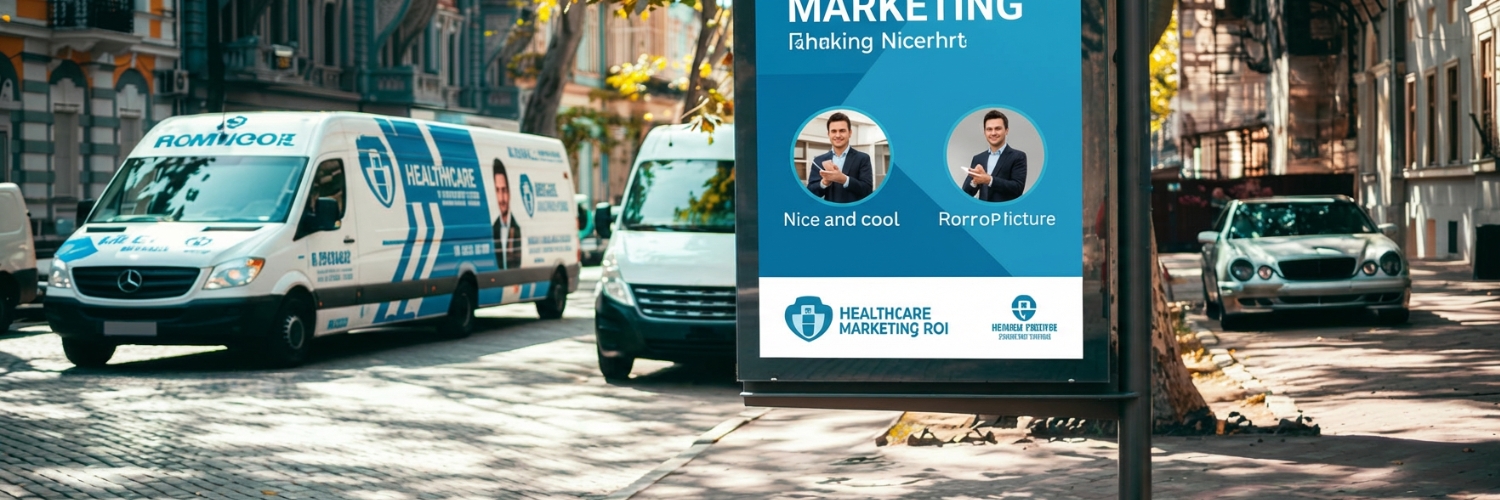
Pembroke Pines’ 34.76 square miles and 171,178 residents generate massive traffic volumes across major corridors like Interstate 75 and Pines Boulevard. As Florida’s 11th largest city, this South Florida hub offers advertisers exceptional reach among diverse, middle-to-upper-income households.
Traditional static billboards face inventory shortages and high costs in this residential-heavy market. Mobile billboard advertising through Carvertise delivers superior flexibility, targeting multiple high-traffic zones daily while avoiding the limitations of fixed outdoor placements.
Ready to reach thousands of Pembroke Pines drivers daily? Let’s explore the traffic patterns, demographics, pricing strategies, and campaign tactics that make Carvertise’s mobile advertising the smart choice for this South Florida market.
Why Mobile Billboard Advertising Outperforms Traditional Outdoor in Pembroke Pines
Mobile billboard campaigns deliver advantages that static placements simply can’t match in Pembroke Pines’ suburban landscape. The flexibility to target multiple corridors, adapt to traffic patterns, and reach residential zones makes mobile advertising particularly effective in this sprawling South Florida market.
Coverage Flexibility That Static Billboards Can’t Match
Mobile campaigns target Interstate 75, Pines Boulevard, and Flamingo Road on the same day. Routes adjust for morning southbound commuters versus evening shoppers heading to Pembroke Lakes Mall. This adaptability maximizes exposure across the city’s 34.76 square miles.
Static billboards face severe limitations in residential-heavy Pembroke Pines. Zoning restrictions prohibit traditional outdoor advertising in most neighborhoods where residents actually live. Mobile billboards access these areas legally while covering special events at Pembroke Pines Charter Schools and City Center venues.
Cost Analysis: Mobile Versus Traditional
Traditional bulletins in South Florida range from $1,289 to $5,062 monthly depending on location and format. Digital billboards command even higher premiums, often exceeding $5,000 for high-traffic positions. These prices cover single fixed locations with minimum 4-week commitments, though many markets require 12-week agreements.
Production adds $500-$1,500 for design, printing, and installation. Each creative change requires new vinyl and reinstallation fees. Static placement locks you into one location for the entire contract period.
Impression Volume and Frequency
A single mobile billboard generates 30,000 to 70,000 daily impressions according to Outdoor Advertising Association data. These aren’t estimated traffic counts—they represent actual exposure as vehicles traverse high-traffic corridors throughout operating hours.
Multi-vehicle campaigns amplify this reach dramatically. Ten wrapped vehicles deliver 300,000 to 700,000 combined daily impressions across Pembroke Pines’ major routes. The same commuters encounter your message multiple times on Interstate 75, then again on Pines Boulevard, building recognition through repetition.
Case Study: Rita’s Water Ice Drives Store Visits Across Philadelphia
Mobile billboard advertising delivers measurable results when executed strategically. Rita’s Water Ice deployed Carvertise rideshare vehicles across Philadelphia for an eight-week summer campaign, targeting high-traffic areas near their 125 locations and major city events including concerts and professional sports games.
The campaign generated nearly 4 million impressions with a 5x frequency rate, reaching 800,000 unique individuals throughout the Philadelphia metro area. Carvertise partnered with StreetMetrics to track actual visitation rates, measuring which exposed consumers visited Rita’s locations after seeing the wrapped vehicles.
Campaign Results:
- 74,000+ unique devices exposed to Rita’s vehicles
- 779+ visitors driven to Rita’s Water Ice locations
- 8,000 total conversions (1% conversion rate)
- $96,000 estimated ROI
The verification methodology used GPS tracking and mobile device data to connect ad exposure with store visits, providing concrete attribution that traditional billboard advertising cannot deliver. This measurable approach proved mobile billboards’ effectiveness for driving foot traffic to multiple locations across a major metropolitan market—the same strategy that works for businesses targeting Pembroke Pines’ distributed commercial corridors.
High-Traffic Routes and Advertising Zones in Pembroke Pines
Pembroke Pines’ position between Interstate 75 and Florida’s Turnpike creates natural corridors where mobile billboard campaigns achieve maximum exposure. Understanding these routes helps advertisers target specific demographics and commute patterns throughout the 34.76-square-mile city.
Interstate 75 Corridor
Interstate 75 runs north-south through Pembroke Pines, connecting Broward County commuters to Miami-Dade destinations. The highway serves as the primary route for residents commuting between northern Broward suburbs and employment centers in Miami, Fort Lauderdale, and Hialeah.
Key I-75 exits include Pines Boulevard (Exit 9A/9B) and Sheridan Street (Exit 11A/11B), both providing access to major commercial zones. Southbound traffic peaks during morning commute hours while northbound congestion builds from late afternoon through early evening as workers return home.
Pines Boulevard East-West Arterial
State Road 820 spans nearly 20 miles as Pines Boulevard westward and Hollywood Boulevard eastward. The route connects US 27 on Pembroke Pines’ western edge to State Road A1A at Hollywood Beach, passing directly through the city’s commercial heart.
Major intersections include Flamingo Road (home to Pembroke Lakes Mall and CB Smith Park), University Drive (North Perry Airport boundary), and Palm Avenue. Mixed-use developments and shopping centers create stop-and-go traffic patterns ideal for billboard visibility.
Flamingo Road North-South Connector
Flamingo Road (State Road 823) provides north-south connectivity through Pembroke Pines, linking to Cooper City northward. The Pembroke Lakes Mall area represents a major retail destination, while medical facilities and professional office parks line the corridor.
Traffic signal dwell times at major intersections extend exposure to mobile billboard advertising as vehicles wait through light cycles.
University Drive Multi-Use Corridor
University Drive serves diverse demographics, connecting southward to Florida International University’s Broward campus. The corridor features restaurant concentrations and entertainment venues attracting younger audiences alongside residential communities.
The route parallels North Perry Airport’s northern boundary, forming a natural dividing line between Pembroke Pines’ commercial and residential zones.
Secondary High-Value Routes
Sheridan Street functions as an east-west residential connector running along the Pembroke Pines-Southwest Ranches boundary. Palm Avenue concentrates shopping and service businesses, while Dykes Road represents growing commercial development in western Pembroke Pines areas.
These secondary routes access neighborhoods where static billboard advertising faces zoning restrictions, giving mobile campaigns exclusive access to residential markets.
Pembroke Pines Market Characteristics That Favor Mobile Advertising
Pembroke Pines’ suburban design and commuter demographics create ideal conditions for mobile billboard campaigns. Extended vehicle exposure times and car-dependent infrastructure ensure advertising reaches residents during their daily routines.
Commuter-Heavy Population
Pembroke Pines functions as a bedroom community where residents commute to employment centers throughout South Florida. The average commute time reaches 30.6 minutes according to 2023 Census data, exceeding both the Miami-Fort Lauderdale metro average of 29.3 minutes and the national average of approximately 27 minutes.
This extended vehicle time translates directly to advertising exposure. Commuters encounter the same mobile billboards repeatedly along Interstate 75 and Pines Boulevard, building brand recognition through repetition during their twice-daily trips.
Car-Dependent Infrastructure
Pembroke Pines households average 2.0 vehicles per household, reflecting the city’s car-dependent suburban design. Limited public transportation options compared to urban cores mean residents rely on personal vehicles for shopping, services, and commuting.
This vehicle dependency guarantees mobile billboard campaigns reach audiences during essential daily activities. Unlike transit-heavy cities where residents might avoid highways, Pembroke Pines residents must use major corridors regularly.
Growing Commercial Development
The City Center mixed-use project spans 47 acres at Pines Boulevard and Palm Avenue, adding over 2,000 residential units and 300,000 square feet of retail space. This development increases both traffic volume and competition for local market share.
New retail and dining establishments along Pines Boulevard create advertising opportunities as businesses compete for attention in expanding commercial zones. The City Center includes the Charles F. Dodge City Center civic facility, drawing residents for events and municipal services.
Pricing and ROI Considerations for Pembroke Pines Campaigns
Understanding mobile billboard economics helps businesses evaluate advertising investments against traditional outdoor media. Campaign costs scale based on fleet size, duration, and geographic coverage requirements.
Cost Structure Framework
Mobile billboard campaigns operate on per-vehicle monthly pricing that varies with campaign scope. Larger fleet deployments typically secure better per-vehicle economics, while longer commitments often reduce monthly rates. Design and installation costs may be bundled into campaign pricing depending on provider terms.
This structure contrasts with traditional billboard expenses, which separate location rental from production, printing, and installation fees. Static placements require upfront investment in vinyl printing and periodic replacement to maintain appearance.
ROI Evaluation Methodology
Calculate cost per thousand impressions by dividing total campaign investment by estimated daily impressions, then multiplying by 1,000. Mobile billboard CPMs generally fall below traditional billboard rates due to movement generating higher daily impression volumes.
A multi-vehicle Pembroke Pines campaign generates combined daily impressions across Interstate 75, Pines Boulevard, and secondary corridors. Twenty-five vehicles traversing high-traffic routes deliver substantially more exposure than a single static location.
Compare total monthly investment against the number of traditional billboard placements needed for equivalent geographic coverage. Reaching Pembroke Pines’ major corridors with static billboards requires multiple premium locations, each commanding separate rental fees.
Track campaign performance through unique phone numbers, promotional codes, or website traffic analytics during deployment periods. Geographic targeting data helps attribute leads to Pembroke Pines exposure specifically.
Getting Started with Mobile Billboard Advertising in Pembroke Pines
Launching a mobile billboard campaign in Pembroke Pines requires strategic planning and realistic timeline expectations. Begin by defining your target audience and geographic priorities within the city’s 34.76 square miles—whether focusing on Interstate 75 commuters, Pines Boulevard shoppers, or residential neighborhoods near City Center.
Campaign planning and design typically require one to two weeks. Driver recruitment and vehicle wrapping add another two to three weeks. Expect a total launch timeline of three to five weeks from final approval to vehicles operating on Pembroke Pines streets.
Ready to put your brand on the move in Pembroke Pines? Contact Carvertise today to design a mobile billboard campaign that reaches South Florida drivers where they actually spend their time, across every high-traffic corridor of this 171,000-resident city.
Frequently Asked Questions
How does mobile billboard advertising work?
Wrapped vehicles drive predetermined routes through Pembroke Pines’ high-traffic corridors including Interstate 75, Pines Boulevard, and Flamingo Road. GPS tracking verifies coverage while generating impression data based on traffic volumes along each route.
What areas can mobile billboards reach in Pembroke Pines?
Mobile campaigns cover all major corridors and residential neighborhoods throughout the city’s 34.76 square miles. Unlike static billboards restricted by zoning, wrapped vehicles access areas where traditional outdoor advertising cannot operate, including neighborhoods west of Interstate 75.
How long does it take to launch a campaign?
Expect three to five weeks from approval to launch. Campaign planning and design take one to two weeks, while driver recruitment and vehicle wrapping require another two to three weeks.
What’s the minimum campaign duration?
One month represents the recommended minimum for building brand awareness. Longer campaigns increase frequency and reinforce recognition through repeated exposure along Pembroke Pines’ commuter routes.
How do I measure campaign performance?
Track results through unique promotional codes, dedicated phone numbers, website traffic spikes during campaign periods, and foot traffic changes at physical locations. Advanced attribution connects ad exposure to actual store visits using mobile device data.
How does this compare to traditional billboards?
Mobile billboards generate 30,000-70,000 daily impressions per vehicle versus single fixed-location exposure. Mobile campaigns access restricted residential areas, adapt routes based on performance, and typically deliver lower cost-per-thousand-impressions than static placements.
How do I get started?
Contact Carvertise to discuss your target audience, budget, and campaign goals. The team provides route recommendations specific to Pembroke Pines’ traffic patterns and guides you through creative development and fleet sizing.