

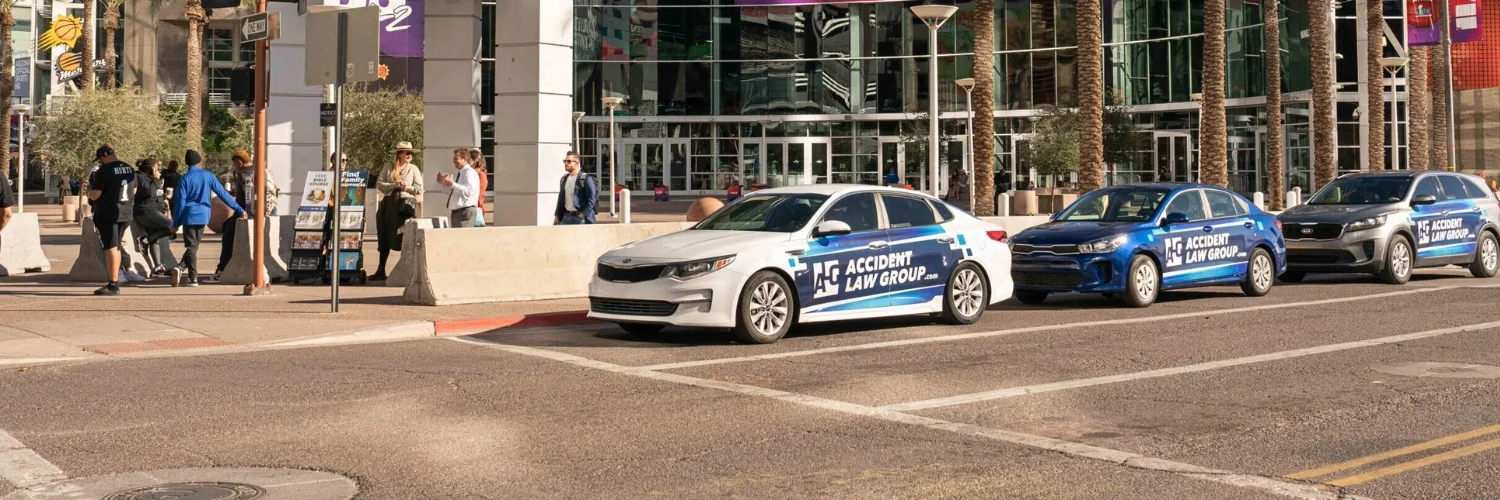
San Mateo sits in the heart of Silicon Valley’s Peninsula, wedged between San Francisco’s urban density and San Jose’s tech sprawl. This strategic location creates intense competition for attention—thousands of commuters flow through daily on Highway 101 and El Camino Real, tech workers shuttle between offices, and affluent residents move between downtown San Mateo’s shopping district and residential neighborhoods stretching toward the Bay.
Static billboards along 101 cost a premium but reach the same commuters seeing the same message twice daily until it becomes invisible. Mobile billboards through Carvertise break this pattern by meeting your audience throughout their day—at lunch spots near Bay Meadows, in parking lots at Hillsdale Shopping Center, along residential streets in Aragon and Baywood, and during evening stops at downtown restaurants.
Ready to reach San Mateo’s professionals, families, and decision-makers where static billboards can’t? Contact Carvertise to deploy mobile advertising that follows your target audience’s actual movement patterns throughout the Peninsula.
Why San Mateo’s Market Demands Smarter Outdoor Advertising
San Mateo’s unique characteristics create specific challenges that mobile billboards are designed to solve.
Highway 101 through San Mateo moves an estimated 250,000+ vehicles daily, making it one of the Bay Area’s most congested corridors. While this volume seems attractive for outdoor advertising, most drivers are repeat commuters traveling the same route daily, creating rapid message fatigue with static placements.
Tech employees commuting from San Francisco to Silicon Valley campuses pass through San Mateo twice daily but aren’t making local purchasing decisions. Meanwhile, San Mateo residents and workers—your actual target audience—represent a smaller subset requiring more precise targeting than 101 billboards deliver.
San Mateo’s median household income exceeds $120,000, with neighborhoods like Baywood Park, Aragon, and Beresford Park housing executives, investors, and tech professionals. These affluent audiences live in residential areas away from major commercial corridors where traditional billboards cluster.
Reaching them requires presence in neighborhoods, at local restaurants and shops, near fitness centers and parks—places where static billboards either don’t exist or command astronomical rates. Mobile billboards naturally circulate through these areas as drivers run errands, commute to local offices, and move through daily routines.
The Science of Mobile Billboard Effectiveness in Dense Markets
Understanding why mobile billboards outperform static placements requires examining the psychology of attention and memory.
Human brains are wired to notice movement and change. A static billboard becomes part of the visual landscape after 2-3 exposures, triggering habituation—the brain’s tendency to stop responding to repeated, unchanging stimuli.
Mobile billboards reset this response each encounter. Seeing a wrapped vehicle at a stoplight Monday morning registers differently than seeing it in a Hillsdale Shopping Center parking lot Saturday afternoon. The context changes, and your brain processes it as a new stimulus worthy of attention.
A wrapped vehicle parked outside a popular San Mateo lunch spot creates different associations than the same vehicle stopped at a traffic light on 101. The lunch spot context connects your brand with decision-making moments—people are actively choosing where to eat, shop, or spend money.
Mobile billboards maintain attention across multiple exposures because each encounter feels novel. A person might see your wrapped vehicle ten times over a month and process each exposure as meaningful because the context constantly shifts.
Case Study: Total Wine Event-Driven Retail Traffic
Total Wine’s Phoenix campaign demonstrates how mobile billboards drive measurable store visits for retail businesses in competitive suburban markets like San Mateo.
Campaign Strategy and Execution
Total Wine deployed 50 rideshare vehicles across Phoenix for two months, strategically timing the campaign around major events including Super Bowl LVII, Waste Management Phoenix Open, and the Bud Light Super Bowl Music Fest. The strategy focused on reaching both Phoenix residents and event attendees during periods of elevated entertainment and hospitality activity.
The wrapped vehicles featured Total Wine’s branding with messaging designed to drive store visits for event-related shopping. Rideshare drivers naturally concentrated near hotels, event venues, restaurants, and entertainment districts where people were making purchasing decisions.
Carvertise partnered with StreetMetrics to track actual store visits following exposure to wrapped vehicles, measuring real customer behavior rather than just brand awareness.
Verified Results
The campaign produced significant, measurable retail traffic:
6,857 visitors driven to Total Wine stores after exposure to Carvertise cars during a six-week tracking cycle.
37% more likely to visit a Total Wine store after exposure to a Carvertise car.
StreetMetrics used location tracking to identify individuals who encountered wrapped vehicles, then verified their subsequent visits to Total Wine retail locations. The 37% lift represents the increased probability that someone exposed to the mobile billboard would visit a store compared to someone not exposed.
For a retailer like Total Wine, this conversion rate is exceptional. The campaign didn’t just build brand awareness—it drove immediate action during a critical sales period when event-related purchasing peaks.
Event-Driven Strategy Applications for San Mateo
Total Wine’s success with event-driven mobile billboards translates directly to San Mateo’s market opportunities.
San Mateo County Event Center hosts the annual San Mateo County Fair (June), attracting hundreds of thousands of visitors. Downtown San Mateo’s Central Park hosts concerts, farmers markets, and community events throughout the year. The nearby Bay Meadows development brings steady foot traffic to retail and dining.
Businesses can time mobile billboard campaigns around these concentrated activity periods, just as Total Wine did with Phoenix sporting events. A restaurant could surge coverage during County Fair weeks. A retail store could increase impressions during holiday shopping periods. A service business could concentrate exposure during spring home improvement season.
The 6,857 store visits and 37% lift demonstrate that mobile billboards don’t just create passive impressions—they drive active behavior change that translates directly to revenue.
Creative Execution That Converts San Mateo’s Sophisticated Audience
San Mateo’s high-income, tech-savvy audience demands creative excellence. Generic vehicle wraps won’t break through.
Visual Hierarchy for Distracted Viewers
San Mateo drivers and pedestrians encounter constant visual stimulation—smartphones, storefronts, traffic signals, other vehicles. Your wrap has approximately 2.5 seconds to communicate core information before attention shifts.
Successful wraps use extreme visual hierarchy: one dominant image or message that registers instantly, supported by minimal secondary information (brand name, URL, or phone number). The dominant element should be recognizable from 50+ feet. Test this by viewing your design at thumbnail size—if the core message isn’t immediately clear, simplify further.
Message Clarity Beats Cleverness
State your value proposition directly. “Downtown San Mateo’s Fastest Lunch” beats “We’re Redefining the Midday Experience.” “Same-Day Plumbing Service” beats “Your Pipe Dreams, Realized.”
Save creativity for imagery and design execution. Keep copy ruthlessly simple.
Measurement and Attribution: Proving ROI in Mobile Campaigns
San Mateo businesses need concrete performance metrics to justify marketing investments.
Unlike traditional outdoor advertising relying on traffic estimates and statistical models, Carvertise’s GPS tracking verifies actual impressions. You’ll see exactly where wrapped vehicles traveled, how much time they spent in target zones, and which neighborhoods received maximum exposure.
This granularity allows optimization impossible with static billboards. If your San Mateo campaign targets downtown lunch crowds but GPS shows minimal weekday lunch hour coverage, you can adjust by recruiting different drivers or modifying routes.
Even without advanced attribution technology, proxy metrics indicate mobile billboard performance: website traffic spikes in San Mateo ZIP codes during campaign periods, increased branded search volume, social media follower growth from Peninsula locations, and inbound calls from San Mateo area codes.
Getting Started with Carvertise in San Mateo
Launching mobile billboard advertising in San Mateo requires understanding both the platform and your specific business objectives.
Initial consultation maps your target audience to San Mateo geography. Are you reaching downtown professionals, Bay Meadows residents, Hillsdale Shopping Center visitors, or the broader Peninsula corridor?
Campaign design balances creative impact with San Mateo’s sophisticated aesthetic expectations. Wraps should feel premium and modern, reflecting the market’s tech-influenced design sensibility while maintaining the boldness necessary for mobile visibility.
Driver recruitment focuses on individuals whose existing patterns match your targeting needs. Campaign launch includes GPS tracking from day one, providing immediate visibility into performance and enabling rapid optimization.
Carvertise enables San Mateo businesses to compete for attention without the prohibitive costs traditional outdoor advertising demands in Peninsula markets. Flexible campaign durations—starting at one month—allow seasonal testing, event-driven surge coverage, or sustained year-round presence.
Contact Carvertise for a San Mateo-specific campaign proposal including neighborhood targeting recommendations, impression forecasts based on local traffic patterns, and creative consultation tailored to Peninsula market expectations.
Frequently Asked Questions
How quickly can mobile billboards launch in San Mateo?
Campaign timelines typically span 2-4 weeks from initial consultation to launch. Design and approval take 3-5 days, driver recruitment requires 1-2 weeks, and wrap production/installation adds 5-7 days.
Can campaigns target specific San Mateo neighborhoods like Baywood or downtown?
Yes. Carvertise recruits drivers whose existing patterns match your geographic priorities. Campaigns can focus on specific neighborhoods, downtown commercial districts, or residential areas based on where your target audience lives and works.
How do mobile billboards integrate with existing marketing efforts?
Mobile billboards work best alongside digital advertising, event marketing, and PR efforts. Geographic and timing data from mobile campaigns can inform retargeting strategies, and brand awareness from mobile exposure improves conversion rates across other channels.
What makes San Mateo different from other Peninsula markets?
San Mateo’s concentration of wealth and tech employment creates high-value audiences with sophisticated marketing expectations. Success requires premium creative execution and precise targeting rather than broad reach approaches.
How many vehicles are needed for effective San Mateo coverage?
This depends on objectives. Downtown lunch crowd targeting might need 3-5 vehicles with specific weekday patterns. Broader Peninsula awareness could require 10-15 vehicles covering residential neighborhoods and commuter routes.
Can mobile billboard data inform other business decisions?
Yes. GPS tracking reveals where your target audience actually spends time, informing retail location decisions, event participation choices, and sales territory planning beyond just advertising effectiveness.