

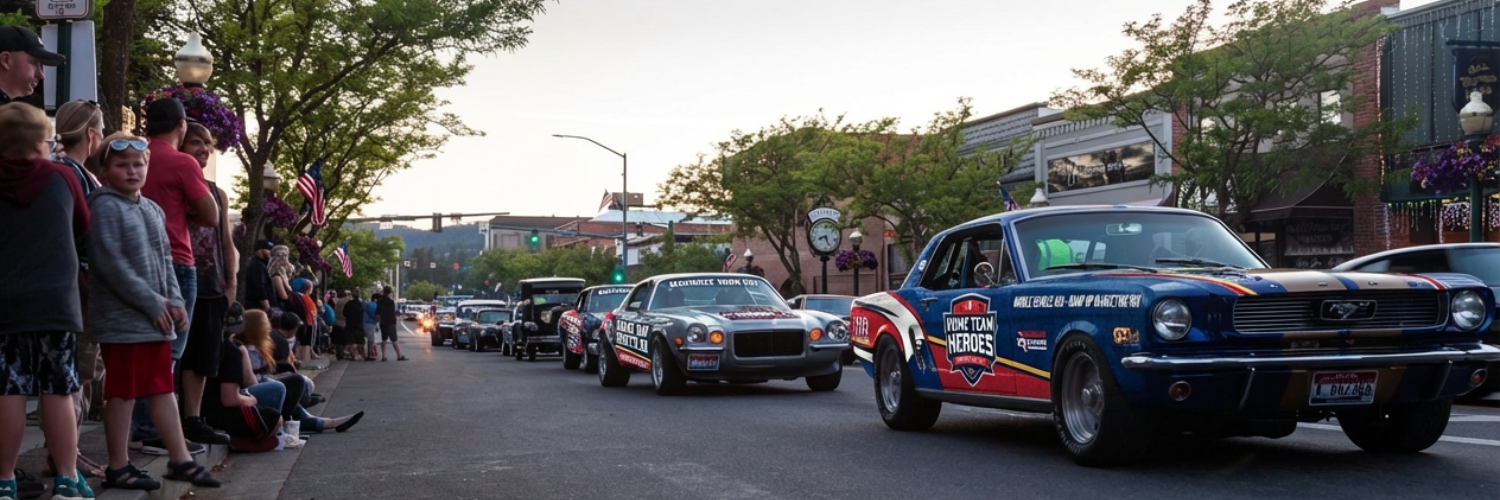
The Oakland Coliseum draws hundreds of thousands of fans every year for A’s games, major concerts, and community events. If you’re relying on billboards along I-880 or Hegenberger Road to reach them, you’re only catching people during their commute—not when they’re tailgating in parking lots for three hours before first pitch, or grabbing food in East Oakland after the show ends.
Vehicle advertising changes that equation entirely. Wrapped cars move through Coliseum parking areas, past the BART station, along approach routes from Berkeley and Hayward, through the San Leandro corridor. Your brand shows up everywhere fans actually spend their time, not just on one stretch of highway they might glance at while merging.
Connect with Carvertise to reach Oakland sports fans where they actually make decisions—in tailgate zones, neighborhood streets, and the routes they travel before and after events.
Unique Advertising Challenges Faced by Oakland Coliseum
Limited Static Billboard Sightlines
Billboards along the I-880 corridor catch plenty of eyeballs—commuters driving between San Jose and downtown Oakland see them every day. But most of those drivers aren’t heading to the Coliseum. They’re just passing through on their way to work, which means your impressions aren’t converting to actual event attendance or visits to nearby businesses.
Hegenberger Road presents a different problem. It connects the Coliseum to Oakland International Airport, so the entire route is saturated with advertising from airport hotels, rental car companies, and parking services. Your message has to fight through dozens of other advertisers competing for attention from travelers, not sports fans.
Then there’s Coliseum Boulevard, which only reaches people during their final approach to the venue. By the time fans see billboards here, they’ve already decided where they’re eating before the game and what they’re doing after. You’re too late to influence those decisions.
Event-Driven Traffic Patterns
Oakland A’s games pull anywhere from 10,000 to 30,000 people depending on who’s playing and what day of the week it is. Major concerts can pack 40,000+ fans into the venue. That kind of attendance variation makes it hard to justify the fixed cost of billboard advertising—you’re paying the same rate whether 12,000 people show up or 45,000.
The venue access situation doesn’t help either. Fans arrive from multiple directions—66th Avenue from San Leandro, Hegenberger Road from the airport corridor, Coliseum Way from East Oakland neighborhoods. One billboard placement only captures people coming from one direction, which means you’re missing two-thirds of your potential audience.
Demographic Diversity Requires Targeted Messaging
A’s baseball fans look different from concert crowds. Families and locals dominate weekday games, while Friday night concerts pull younger demographics from across the Bay Area. East Oakland community events draw neighborhood residents from the 94621 and 94603. Corporate gatherings and trade shows bring business professionals with completely different needs.
Traditional billboards can’t adapt. They show the same message to every demographic segment, regardless of who’s actually attending that day’s event or what they’re looking for.
How Vehicle Advertising Outperforms Coliseum Billboards
Parking Lot and Tailgate Penetration
Wrapped vehicles drive directly through Coliseum parking lots A through D, where fans spend one to three hours before games grilling, drinking, and hanging out with friends. Oakland has a serious tailgating culture, especially for weekend games and Bay Bridge Series matchups, which creates these extended windows where people are paying attention to their surroundings.
Billboards on I-880 or Hegenberger are completely invisible from these parking areas. Fans pull in, set up their tailgate, spend three hours in the lot, then walk into the stadium. They never see your billboard. Vehicle advertising gets right into the spaces where fans are actually making purchasing decisions about food, drinks, and entertainment.
Neighborhood Integration Around Coliseum
The residential areas in East Oakland’s 94621 and 94603 zip codes are home to a significant chunk of the Coliseum’s regular attendees. Vehicle advertising reaches these fans in their own neighborhoods all week long, not just on game days when they happen to drive past a billboard on their way to the venue.
The San Leandro corridor along I-880 serves as the main travel route for fans coming from southern Alameda County. Pre-game and post-game dining happens at local businesses on International Boulevard and Bancroft Avenue, where vehicle advertising maintains visibility right when people are deciding where to eat.
Multi-Route Coverage vs. Single Billboard Location
Vehicle advertising reaches fans coming from Berkeley, Hayward, Fremont, and downtown Oakland all at once. A single billboard only covers one approach route. Wrapped cars circulate around the Coliseum BART station where transit riders emerge, then follow egress routes north and south on I-880, east on I-580, and northwest through the MacArthur Maze.
Event-to-Event Continuity
Vehicles keep your brand visible between events, even when the Coliseum sits empty. Billboard costs stay constant whether the venue is packed or dark. Your wrapped cars reach the same fans across A’s games, concerts, and community events throughout the season, building recognition through repeated exposure instead of hoping one billboard impression sticks.
Proven Success: Virtua Health New Jersey Healthcare Campaign
Challenge: Virtua Health, New Jersey’s largest healthcare organization, needed to boost community awareness across Burlington, Camden, and Gloucester counties.
Traditional billboard advertising along major highways reached commuters but completely missed residential neighborhoods where potential patients actually lived and made healthcare decisions. They needed visibility that extended beyond roadside placements into shopping districts, community centers, and high-traffic local areas.
Solution: Virtua Health partnered with Carvertise for a three-month campaign using 25 branded rideshare vehicles throughout South Jersey. The deployment focused on high-impact locations like Cherry Hill Mall, residential neighborhoods, and community gathering spots.
Vehicles carried healthcare messaging emphasizing Virtua’s comprehensive services and community commitment. Carvertise’s geofencing technology enabled precise digital retargeting of people who encountered the wrapped vehicles, creating a seamless online-offline connection.
Results:
- Generated 2.3 million brand exposures across target counties
- Website visitation rate hit 18.81% among exposed audiences versus 14.68% for the control group
- 799 page visits from exposed group compared to 491 from control group
- Campaign performed so well Virtua extended it for three additional months
- Demonstrated clear, measurable lift in digital engagement directly tied to vehicle advertising
The campaign proved that rideshare advertising reaches audiences in their daily environments far more effectively than hoping they notice roadside billboards during their commute.
How Carvertise Transforms Coliseum-Area Advertising
Local Driver Networks in East Oakland
Carvertise recruits drivers who already live and work in Oakland’s Coliseum neighborhoods—actual residents of the 94621, 94603, and 94605 zip codes who naturally move through the venue area during their normal daily routines. These aren’t commercial delivery trucks making predictable routes that people mentally tune out.
They’re everyday cars driven by community members who park near the stadium, commute along Hegenberger Road to work, and navigate through East Oakland neighborhoods where fans live. Your advertising feels like organic neighborhood presence instead of intrusive commercial messaging.
GPS-Verified Coliseum Coverage
Every wrapped vehicle carries GPS tracking that provides hard proof of campaign performance. Heat maps show exactly which areas got the most exposure—how long vehicles spent in parking lots, circulation patterns along Hegenberger Road and Coliseum Boulevard, coverage density near the 66th Avenue approach.
Route logs prove vehicle presence during event windows versus non-event days, so you know your advertising dollars are targeting actual game attendance instead of empty parking lots on Tuesday afternoons.
Swarm Deployments for Major Events
Carvertise’s Swarm capability puts 10-20 vehicles on the ground simultaneously for high-value events—Opening Day, playoff games, major concerts pulling 40,000+ attendees. This concentrated coverage creates unavoidable visibility during peak decision-making windows when fans are most receptive.
Flexible scheduling matches Oakland’s event calendar, letting you invest strategically during periods when ROI potential peaks instead of spreading budget across the entire year maintaining constant presence.
Performance Tracking Beyond Impressions
Campaigns tie directly to actual business results through comprehensive analytics. Track foot traffic increases to nearby restaurants and retailers. Monitor discount code redemption by East Bay residents. Analyze website traffic spikes from Oakland and Alameda County IP addresses.
Custom tracking URLs and dedicated phone numbers attribute specific conversions back to vehicle exposure. Measure app downloads geo-tagged to the Coliseum area. Connect advertising spend to real outcomes instead of guessing at impact.
Strategic Applications by Business Type
Restaurants and Food Services
Pre-game and post-game dining decisions happen fast. Fans are actively looking for nearby options within tight time windows. Vehicle advertising keeps you visible throughout their entire decision process—someone who saw your brand three times on their drive to the Coliseum remembers you when they’re choosing where to eat afterward.
Late-night food services and delivery apps have a huge opportunity with concert crowds. When events end after 10 PM, thousands of hungry people flood the surrounding area looking for food. Your wrapped vehicles have been building familiarity all night.
Sports Bars and Entertainment
You’re competing for fans before they even decide to attend the game. Vehicle advertising positions your sports bar as the destination for watch parties during away games and playoff series. For venues near the Coliseum, you’re fighting for the same audience the stadium is—repeated brand exposure becomes critical for capturing that foot traffic.
Retail and Apparel
Team merchandise stores, sports equipment retailers, and athletic apparel shops benefit from hitting sports-minded consumers repeatedly throughout the season. Fans shopping for gear, workout equipment, or Oakland-branded clothing see your brand consistently in their neighborhoods and near the venue, not just once on a billboard.
Transportation and Local Services
Rideshare companies can recruit drivers from people who already travel to the Coliseum regularly for events. Shuttle services promote convenient alternatives to the parking nightmare. Banks, auto repair shops, and healthcare providers reach East Oakland residents who attend events frequently, building familiarity within the actual local community.
Beverages
Beer brands, energy drinks, and bottled water companies hit fans right in tailgate-friendly environments where beverage decisions happen spontaneously and socially. Oakland’s tailgating culture creates extended exposure windows—fans gather in parking lots for hours before games, and your brand is circulating through those lots the entire time.
Reach Oakland Sports Fans Where They Actually Gather
Traditional Oakland Coliseum billboards capture drivers on I-880 and Hegenberger Road. Vehicle advertising circulates through the parking lots where fans tailgate, the neighborhoods where they live, and the multiple approach routes they actually travel.
Superior targeting through local driver networks, GPS-verified coverage, and flexible Swarm deployments delivers measurable results that static placements simply can’t match. Carvertise changes how brands connect with Oakland audiences—your message doesn’t sit in one spot hoping to get noticed. It moves through every part of the event experience.
Ready to reach Oakland sports fans where they’re actually making purchasing decisions? Contact Carvertise today to deploy mobile advertising campaigns customized for the Coliseum’s unique event environment, concentrated fan behaviors, and East Oakland’s diverse community.
Frequently Asked Questions
How does vehicle advertising compare to traditional Coliseum billboards?
Traditional billboards along I-880 and Hegenberger Road only reach drivers on specific routes. Vehicle advertising circulates through Coliseum parking lots, tailgate areas, East Oakland neighborhoods, and multiple approach routes simultaneously. You get broader coverage, GPS-verified performance data, and typically lower costs than premium billboard placements.
What’s the typical investment for a Coliseum-area campaign?
Campaign costs depend on how many vehicles you deploy, which areas need coverage, and campaign duration. Everything from design to wrapping to management comes bundled. For specific numbers tailored to Oakland Coliseum, contact Carvertise directly. Businesses typically start with 5-10 vehicles, then scale to 15-25 for major events.
How quickly can Coliseum campaigns launch?
From concept to wrapped vehicles circulating around the Coliseum takes three to four weeks—including design, wrap production, installation, and driver coordination. Faster timelines can be arranged with advance notice for tight deadlines like Opening Day or major concerts.
Can campaigns target specific event types or fan demographics?
Yes. Vehicles concentrate around baseball games for family demographics, target younger audiences during concerts, or focus on East Oakland residents in the 94621, 94603, and 94605 zip codes. GPS data confirms vehicles spend time in your priority zones.
How is Coliseum campaign performance measured?
You get vehicle metrics—miles covered, impressions, location coverage, parking lot dwell time—plus business impact including website traffic from Oakland/Alameda County, discount code usage, foot traffic increases, and app downloads. Dedicated phone numbers and custom URLs trace results directly to vehicle advertising.