

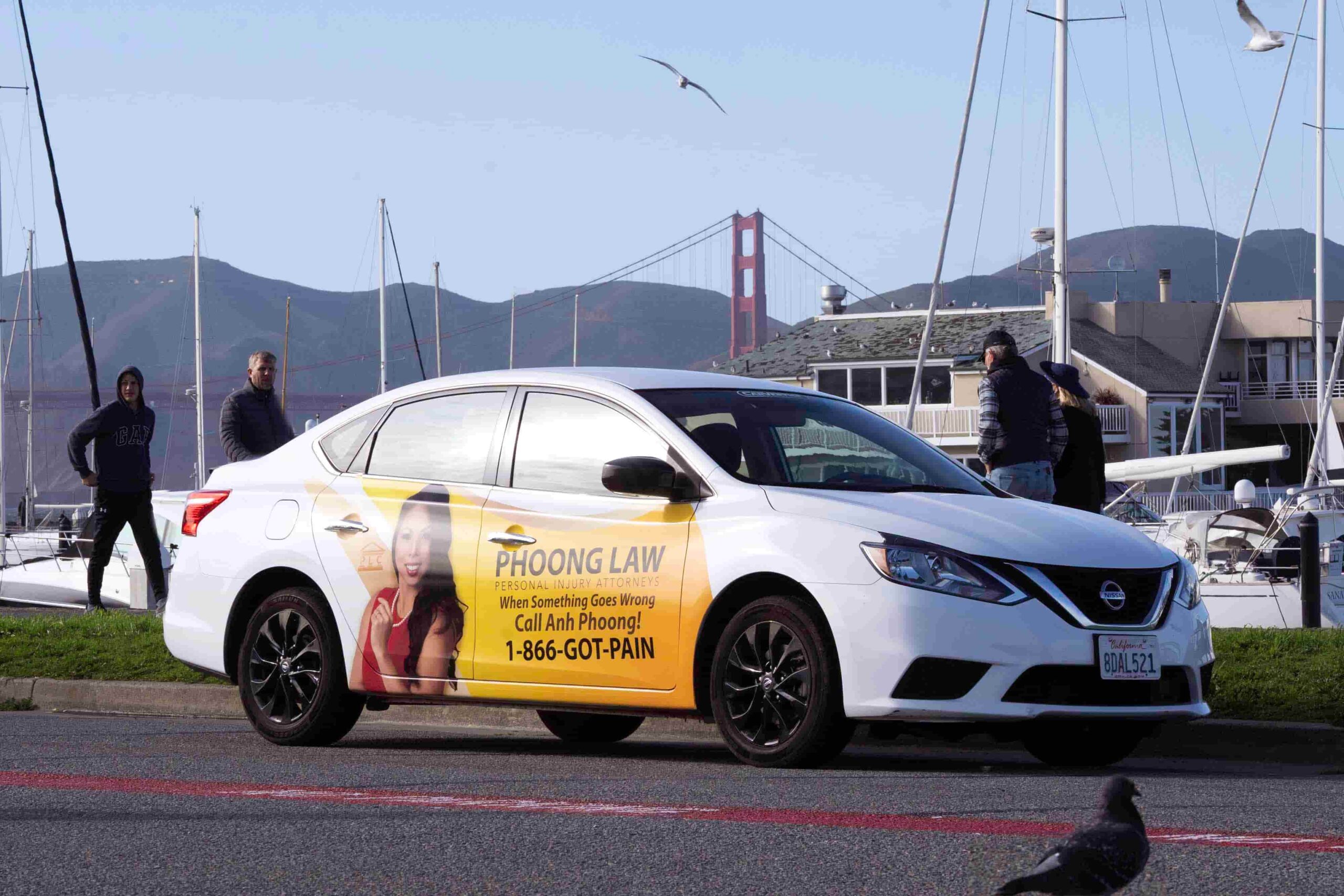
Legal advertising is becoming increasingly competitive, especially in major metro markets where firms are competing for visibility across the same billboards, search terms, and media channels.
In response, more law firms are turning to swarm advertising campaigns to create concentrated, high-frequency visibility around the moments and locations where communities gather most.
Based on campaign trends and advertiser demand across the legal industry, these are the top swarm use cases firms are prioritizing in 2026.
Top 5 Swarm Use Cases for Legal Advertising
1. NFL & College Football Weekends
Football remains one of the highest-traffic advertising environments in the country.
Law firms are increasingly activating around:
- NFL games
- College football weekends
- Tailgates
- Rivalry games
- Sports bar districts
- Stadium corridors
These events generate concentrated movement throughout:
- Downtown districts
- Parking lots
- Entertainment areas
- Restaurants and bars
- Highway traffic corridors
For legal advertisers, football weekends create opportunities for repeated local visibility at massive scale.
2. Concerts & Entertainment Districts
Concerts continue to drive strong swarm campaign demand for legal brands, especially in urban markets.
Popular activation opportunities include:
- Stadium concerts
- Arena tours
- Amphitheater events
- Music festivals
- Downtown nightlife districts
These environments create heavy rideshare activity and dense audience movement throughout cities, helping firms maintain visibility throughout the full event experience.
3. Festivals & Community Events
Community festivals create strong local awareness opportunities for regional law firms.
Examples include:
- Food festivals
- Cultural celebrations
- State fairs
- Holiday events
- Citywide festivals
Unlike static placements, swarm campaigns allow firms to move throughout the event ecosystem and surrounding neighborhoods, increasing local frequency and market presence.
4. High-Traffic Commuter Corridors
Many legal brands are also using swarms outside traditional event marketing by targeting commuter-heavy routes and urban traffic zones.
This includes:
- Downtown business districts
- Highway corridors
- Medical hubs
- Retail centers
- Transit-heavy neighborhoods
For firms focused on top-of-mind awareness, repeated commuter exposure remains one of the strongest long-term branding strategies.
5. Late-Night & Weekend Swarm Activations
Some firms are increasingly focusing campaigns around high rideshare usage periods, particularly:
- Friday and Saturday nights
- Holiday weekends
- Bar districts
- Entertainment corridors
- Event exit traffic
This strategy helps firms maintain visibility during peak movement periods when large audiences are actively traveling throughout the city.
Why Swarm Advertising Is Growing in Legal Marketing
Legal advertising has historically depended heavily on static media.
But in 2026, many firms are prioritizing mobility, geographic precision, and frequency over fixed placements alone.
Swarm advertising allows firms to:
- Concentrate visibility around major local moments
- Reach high-density audiences repeatedly
- Differentiate from competing firms
- Increase share of voice in key markets
- Extend visibility throughout entire cities
For legal brands, visibility itself becomes part of the competitive strategy.
Why Mobility Matters for Legal Brands
Consumers are constantly moving between work, entertainment districts, sporting events, healthcare facilities, and local communities.
Mobile advertising allows firms to stay visible throughout those daily movement patterns rather than relying solely on fixed locations.
At Carvertise, legal brands are increasingly using swarm advertising and targeted deployment strategies to create stronger local visibility, geographic precision, and differentiation within crowded markets.
Winning Visibility Beyond Traditional Legal Advertising
In 2026, legal marketing is becoming increasingly competitive, especially in major metro markets where firms are fighting for attention across the same billboards, search terms, and media channels.
For law firms focused on market leadership, visibility is no longer just about being present. It is about creating repeated exposure throughout the exact communities, traffic patterns, and real-world environments where potential clients already spend time every day.
Swarm advertising allows legal brands to move beyond fixed placements and maintain high-frequency visibility across sporting events, commuter corridors, entertainment districts, nightlife areas, and community gathering spaces throughout entire cities.
For personal injury firms and regional law groups, that mobility can create stronger differentiation, greater share of voice, and more sustained market presence in highly competitive advertising environments.
At Carvertise, we help legal brands build mobile OOH campaigns designed around geographic targeting, swarm activations, commuter visibility, event-based marketing, and hyper-local audience reach.
Using targeted deployment capabilities like Target IQ, firms can focus visibility within priority ZIP codes, high-density neighborhoods, commuter routes, medical hubs, and entertainment corridors to maximize local frequency and relevance.
Whether you are launching a new market campaign, increasing share of voice against competitors, supporting a mass tort initiative, or expanding brand awareness across a major metro area, our team can help you create a rideshare advertising strategy built for visibility, differentiation, and measurable market presence.
Request pricing, market availability, or legal campaign examples to learn how Carvertise can help your firm dominate visibility in your market.