

Consumers rarely make purchasing decisions after seeing an advertisement once.
Instead, trust develops through repeated exposure. People encounter brands during everyday routines—commuting to work, stopping for coffee, shopping for groceries, picking up children from school, or heading to dinner. Every encounter reinforces familiarity until the brand becomes recognizable without conscious effort.
This psychological effect, often called the mere exposure effect, makes consistent visibility one of the most valuable assets in modern marketing.
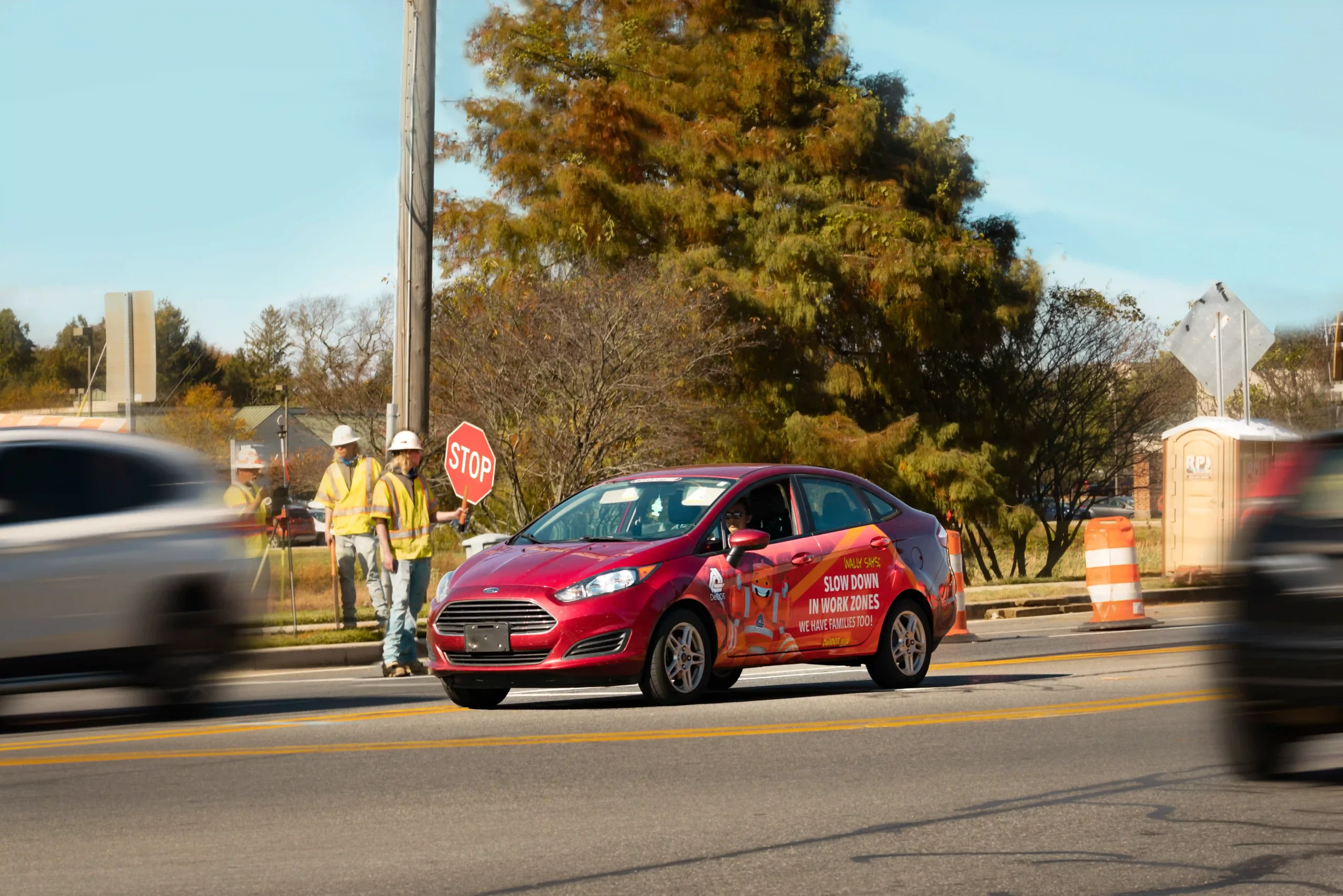
Mobile vehicle advertising is uniquely designed to capitalize on this behavior. Rather than waiting for consumers to encounter a static billboard or search online, branded vehicles travel throughout neighborhoods where target audiences already live, work, and spend their time.
Unlike many traditional advertising channels, mobile advertising combines:
- Continuous neighborhood exposure
- Geographic flexibility
- Real-world audience engagement
- Measurable campaign reporting
- Omnichannel integration
For marketers focused on improving brand visibility, mobile vehicle advertising offers a scalable way to become part of consumers’ everyday routines while generating measurable local reach.
Why Daily Exposure Creates Stronger Brand Recall
Most marketing channels optimize for impressions.
Successful brands optimize for memory.
Marketing research consistently shows that repeated exposure increases familiarity, improves recognition, and makes brands easier to recall during future purchasing decisions.
Consider a consumer’s average weekday:
- Morning commute
- Coffee stop
- Grocery store
- Lunch break
- School pickup
- Evening errands
A branded vehicle operating throughout these neighborhoods may be seen multiple times during a single week—or even a single day.
Unlike interruptive advertising, these impressions occur naturally within existing consumer routines.
Each exposure reinforces previous encounters, making the advertisement increasingly memorable without creating advertising fatigue.
This consistent visibility explains why brands increasingly include mobile media within broader omnichannel campaigns.
Mobile Advertising Travels Where Consumers Already Go
Traditional outdoor advertising depends on fixed locations.
Mobile vehicle advertising follows audiences instead.
Rather than purchasing visibility along one highway or one intersection, advertisers can strategically route branded vehicles through:
- Business districts
- Residential neighborhoods
- Retail corridors
- Entertainment districts
- Shopping centers
- Universities
- Sports venues
- Event locations
This dynamic coverage allows campaigns to reach consumers across multiple touchpoints throughout the day.
Instead of relying on a single high-traffic location, brands establish visibility across an entire market.
For regional and national advertisers, this translates into stronger market presence without requiring hundreds of individual billboard placements.
Repetition Across Neighborhoods Builds Local Familiarity
Consumers naturally trust brands they recognize.
Neighborhood-level visibility accelerates this familiarity because people repeatedly encounter the same messaging during everyday life.
When branded vehicles circulate within local communities, they become part of the surrounding environment.
Over time, consumers begin associating the brand with:
- Their city
- Their neighborhood
- Their daily commute
- Local events
- Community activity
This repeated presence helps establish credibility before consumers ever visit a website or interact online.
Instead of creating one memorable moment, mobile advertising builds ongoing familiarity through continuous exposure.
That familiarity often becomes the foundation for future engagement across digital channels.
Mobile Campaigns Complement Omnichannel Strategy
Consumers rarely convert after interacting with only one marketing channel.
Instead, customer journeys typically involve multiple touchpoints across both offline and digital experiences.
For example, a consumer may:
- Notice a branded rideshare vehicle during their commute.
- Later encounter the same company on social media.
- Receive a digital advertisement later that week.
- Conduct an online search.
- Visit the company’s website.
- Make a purchase days later.
Each interaction reinforces the previous one.
Mobile vehicle advertising strengthens this sequence by creating early awareness before digital engagement occurs.
Rather than competing with digital marketing, mobile campaigns improve the effectiveness of paid search, social advertising, email marketing, and retargeting by increasing brand familiarity before consumers encounter those channels.
Real-World Visibility Generates Authentic Engagement
One of the greatest strengths of mobile advertising is that impressions occur naturally.
Consumers encounter branded vehicles while:
- Driving
- Walking
- Shopping
- Dining
- Attending events
- Visiting entertainment venues
Because exposure happens within genuine daily activities, advertisements feel less intrusive than many digital formats.
Brands benefit from visibility without requiring consumers to click, scroll, or opt in.
This passive yet repeated engagement helps maintain awareness throughout the buying journey while supporting long-term brand recognition.
Measuring Neighborhood-Level Brand Visibility
One of the biggest advantages of mobile vehicle advertising is that it is no longer difficult to measure. Modern campaigns use GPS technology and campaign reporting to show where branded vehicles traveled, how often they appeared in target neighborhoods, and how consistently they covered priority markets.
Instead of estimating whether consumers might have seen an advertisement, marketers gain visibility into campaign execution through metrics such as:
- Geographic coverage by ZIP code or neighborhood
- Route completion and daily activity
- Estimated impressions based on vehicle movement
- Campaign duration and frequency
- Market penetration across targeted areas
These insights help marketers evaluate whether a campaign is delivering consistent brand visibility where it matters most. They also make it easier to optimize routes, adjust coverage, and demonstrate accountability to stakeholders.
Why Mobile Vehicle Advertising Outperforms Static Visibility
Static billboards remain effective for reaching commuters along a single roadway, but they are limited to one fixed location. Mobile vehicle advertising expands that visibility by taking branded messages into the places where people actually spend their time.
Instead of relying on consumers to pass one location repeatedly, mobile campaigns create multiple opportunities for exposure throughout the day.
Static Outdoor Advertising
- One fixed location
- Limited geographic reach
- Audience restricted to nearby traffic
- Difficult to increase frequency without buying additional inventory
Mobile Vehicle Advertising
- Dynamic market coverage
- Multiple neighborhoods reached daily
- Exposure throughout consumer routines
- Flexible campaign routing
- Measurable geographic reporting
- Supports localized marketing initiatives
This flexibility allows brands to establish a stronger market presence across an entire metropolitan area instead of concentrating awareness at a single intersection.
Best Practices for Building Daily Brand Recall
Successful mobile advertising campaigns are built around consistency rather than one-time exposure. Brands that maximize recall typically follow several best practices.
Prioritize Repetition Over Short Bursts
Running a campaign for several weeks creates more opportunities for consumers to encounter the brand during their normal routines. Repeated impressions are more likely to build familiarity than a brief, high-intensity campaign.
Target High-Frequency Consumer Routes
Identify neighborhoods, retail districts, entertainment areas, commuter corridors, and business centers where your audience spends time. Frequent exposure in these locations increases the likelihood that consumers will remember your brand.
Maintain Clear, Simple Creative
Vehicle graphics have only a few seconds to communicate a message. Effective creative should include:
- Strong logo placement
- Limited text
- High-contrast colors
- Memorable visuals
- Clear call to action
Simple designs improve recognition and make it easier for consumers to recall the brand after multiple encounters.
Coordinate With Digital Campaigns
Mobile advertising performs best as part of an omnichannel strategy. Consumers who first notice a branded vehicle are more likely to recognize and engage with the same brand through:
- Paid search
- Social media advertising
- Display campaigns
- Email marketing
- Retargeting efforts
This cross-channel reinforcement strengthens overall brand awareness and improves marketing efficiency.
How Carvertise Helps Brands Build Daily Visibility
Carvertise transforms everyday vehicles into professionally wrapped mobile advertisements that travel where consumers already live, work, and shop.
Rather than relying on fixed outdoor inventory, campaigns leverage real drivers completing their normal routines to generate authentic neighborhood-level exposure. This approach allows brands to build awareness through repeated local impressions while maintaining flexibility across different markets.
Carvertise campaigns also provide measurable reporting that helps marketers understand:
- Where vehicles traveled
- Geographic campaign coverage
- Estimated impressions
- Campaign activity by market
- Delivery against planned routes
This combination of mobility and accountability enables brands to connect offline exposure with broader marketing objectives, making mobile vehicle advertising a valuable component of modern media plans.
Daily Visibility Creates Lasting Brand Recognition
Consumers are exposed to thousands of marketing messages every day, but only a small number become memorable. The brands that stand out are often those encountered repeatedly in familiar environments.
Mobile vehicle advertising supports this process by placing branded messages directly into everyday consumer routines. Whether someone sees a wrapped vehicle during a morning commute, outside a grocery store, or near a local event, each impression reinforces previous exposure and strengthens recall.
For marketers seeking greater brand visibility, stronger market presence, and measurable local reach, mobile vehicle advertising provides an effective way to complement digital channels while keeping brands consistently visible throughout the communities they serve.
When integrated into a broader omnichannel strategy, repeated neighborhood-level exposure can help improve recognition, support future purchasing decisions, and keep your brand top of mind long after consumers have passed the vehicle.
Frequently Asked Questions
What is mobile vehicle advertising?
Mobile vehicle advertising is an out-of-home (OOH) advertising strategy that places branded graphics on everyday vehicles, allowing brands to reach consumers throughout their daily routines. Unlike static billboards, mobile ads travel across neighborhoods, business districts, shopping areas, and commuter routes to generate repeated local exposure.
How does mobile vehicle advertising improve brand visibility?
Mobile vehicle advertising improves brand visibility by creating repeated impressions in the places consumers already visit. Seeing the same branded vehicle multiple times throughout a week increases familiarity, making consumers more likely to recognize and remember the brand when they’re ready to make a purchase.
Is mobile vehicle advertising measurable?
Yes. Modern mobile advertising campaigns use GPS-based tracking and reporting to provide insights into campaign delivery. Advertisers can measure route coverage, geographic reach, estimated impressions, campaign duration, and neighborhood-level exposure, helping validate campaign performance and optimize future efforts.
How does mobile vehicle advertising fit into an omnichannel strategy?
Mobile vehicle advertising complements digital marketing by increasing offline awareness before consumers engage online. A consumer may first notice a branded vehicle during their commute, then later recognize the same brand in search results, social media ads, display advertising, or email campaigns. This repeated exposure strengthens overall campaign effectiveness.
What types of businesses benefit most from mobile vehicle advertising?
Many industries use mobile vehicle advertising, including:
- Consumer packaged goods (CPG)
- Healthcare organizations
- Retail brands
- Restaurants and food delivery services
- Technology companies
- Entertainment brands
- Financial services
- Automotive companies
- Higher education institutions
- Event and experiential marketing campaigns
Any organization seeking broad local awareness or regional market penetration can benefit from consistent mobile brand exposure.
Why is repeated exposure important for brand recall?
Consumers rarely remember a brand after seeing a single advertisement. Repeated exposure builds familiarity over time, making the brand easier to recognize and recall when purchase decisions arise. Mobile vehicle advertising naturally delivers these repeated impressions by appearing throughout consumers’ everyday routines.
How is Carvertise different from traditional billboard advertising?
Traditional billboards remain fixed in one location, while Carvertise campaigns bring branded vehicles directly into the communities where target audiences live, work, shop, and commute. This mobility allows brands to reach multiple neighborhoods throughout the day while providing measurable campaign reporting and flexible geographic targeting.
Ready to put your brand in motion?
Contact Carvertise today to learn how mobile vehicle advertising can increase brand visibility, strengthen local market presence, and keep your brand in front of consumers throughout their daily journeys.